

Internship Program Helps Black Youths Find—and Facilitate—Happiness
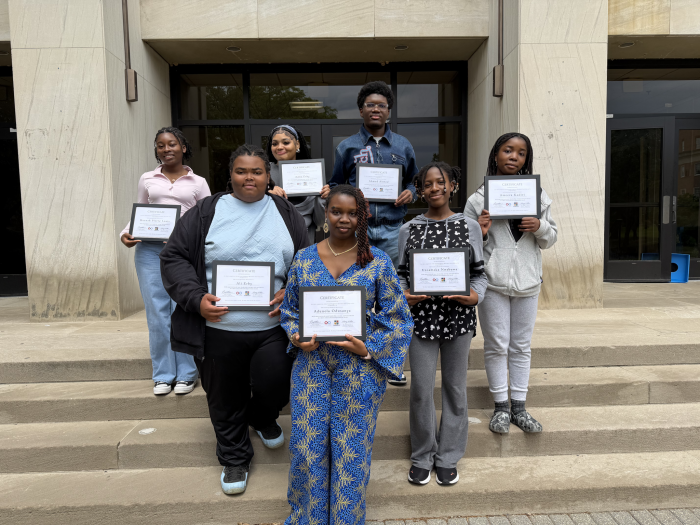
The First Cohort of Assistant Professor Henry Willis’ ‘Black Youth Happiness Movement’ Internship Program Graduated in May
Seven high school students are now certified peer facilitators of The Happiness PracticeTM—an evidence-based approach designed to reduce burnout while increasing happiness, resilience, innovation, and wellbeing—thanks to a new internship program led by Department of Psychology Assistant Professor Henry Willis.
Called “The Black Youth Happiness Movement,” the internship program paid two cohorts of high school students $25 per hour to meet weekly on the University of Maryland campus to learn about The Happiness Practice’s Five Principles of Happiness: Be Conscious, Honor Feelings, Release Control, Co-Create What Works, and Learn Life Lessons. The students explored how the practice impacted their happiness, burnout, emotional awareness, social media behavior, and overall wellbeing over time.
Drawing from their lived experiences in the program, the teens then participated in experience-based co-design activities to create a wellbeing and belonging platform, and a social media campaign, that they believed could educate their peers on what they’ve learned about happiness.
By the end of the internship, they also became certified peer Happiness Practice Facilitators. The Happiness PracticeTM was co-created by Nancy O’Brien, who led the program alongside Willis.
“Black youth experience more sociocultural stressors than many other youth of color, and despite the resilience among Black youth and their families, they often do not have access to culturally-responsive mental health supports. This is evident in rising rates of suicide and other mental health problems among Black youth, and disparities in access to evidence-based mental health supports,” Willis, principal investigator of The Cultural Resilience, Equity, and Technology (CREATE) Lab, said. “This program is important because it not only delivers concrete, evidence-based mental health skills to Black youth with measurable impacts and outcomes, it also equips and empowers them to create their own mental health solutions to the disparities and stressors they face. This creates an ecosystem of resilience and joy that begins to move from focusing on problems to creating and sustaining youth-led solutions.”
To truly measure the internship’s impact on its participants, Willis and O’Brien had the teens take assessments of their own happiness and feelings of burnout at the beginning, midpoint, and completion of the program. Over the course of the internship, teens in cohort one reported a 11.9% increase in overall happiness, a 23% increase in innovation and creative engagement, a 21.8% improvement in healthier social media alignment and wellbeing, and a 4.3% decrease in feelings of burnout. Participants also demonstrated growing emotional awareness, including a shift in how they understood happiness, from something driven primarily by external circumstances to something that can be cultivated internally.
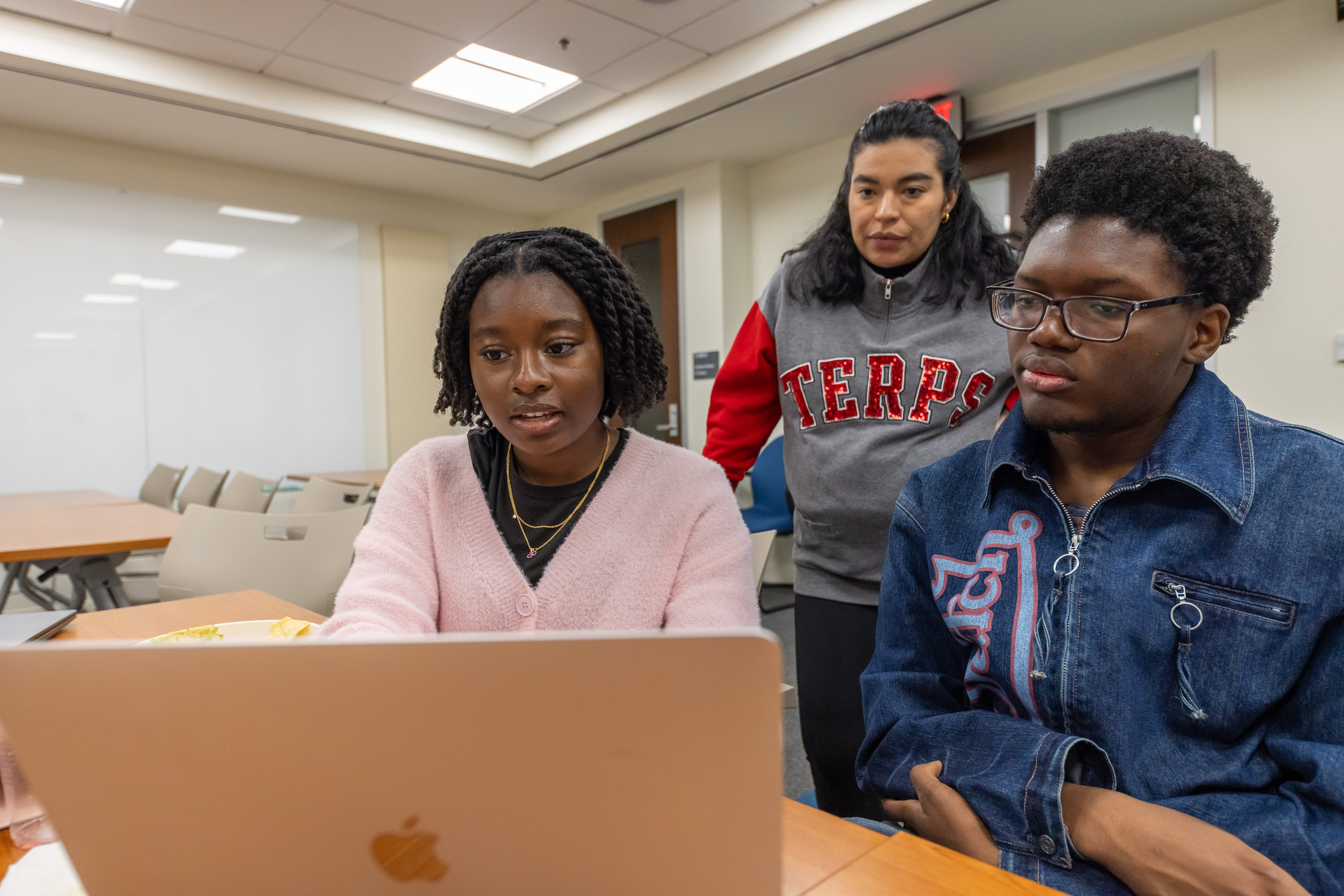
The second cohort of seven teens, which started meeting in March, are still in the midst of completing the program. Preliminary midpoint data already show notable improvements in interns’ wellbeing, including a 34% reduction in burnout symptoms and a 17% increase in overall happiness.
“Before I came here I was a completely different person. I was way more stressed than I am now, especially in an academic setting. I used to be really control heavy about all of the things in my surroundings—I really wanted everything to go a certain way and if it didn't I felt like it would all fall apart—but I've been learning to let go of control and it hasn't been that bad. I'm not as afraid as I was before,” Ameera Kadiri, a cohort one intern and 11th grade student at the Academy of Health Sciences at Prince George’s Community College, said. “Coming to these meetings every Saturday and learning about the ways I can acknowledge my stress and work on it has helped me look at academics and other stressors in my life from a different perspective.”
One of Kadiri’s cohort peers and fellow 11th grader at Prince George’s County Academy of Health Sciences, Hannah Pierre Louis, shared the perspective that has shaped her the most.
“One of the big things we focused on is that happiness is an internal thing, and it's important you don't let external forces affect it,” Pierre Louis, who hopes to one day become a youth clinical psychologist specializing in adolescents and minority groups and people of color, said. “That’s affected me in my daily life. I don't let bad weather get me down because happiness is inside of me.”
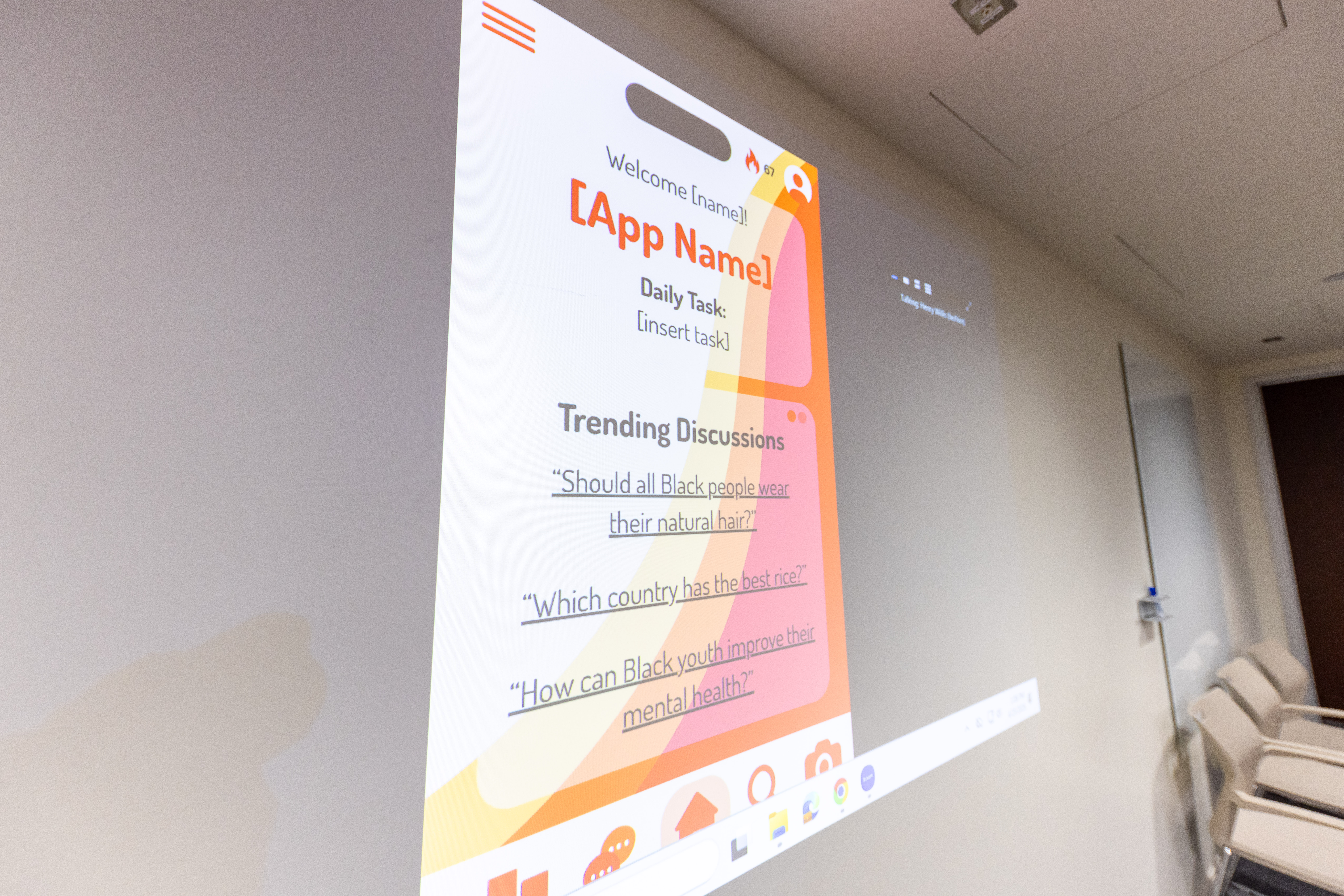
Kadiri, Pierre Louis and the other students in their cohort decided to share their internship program insights with the world by creating an app they dubbed VIBE, which stands for “Voices Inspiring Black Excellence.” The teens had roughly two weeks to create the app, from designing the app’s interface to creating a social media marketing campaign to promote it, before presenting it to Willis, O’Brien and the program’s two doctoral students and five research assistants.
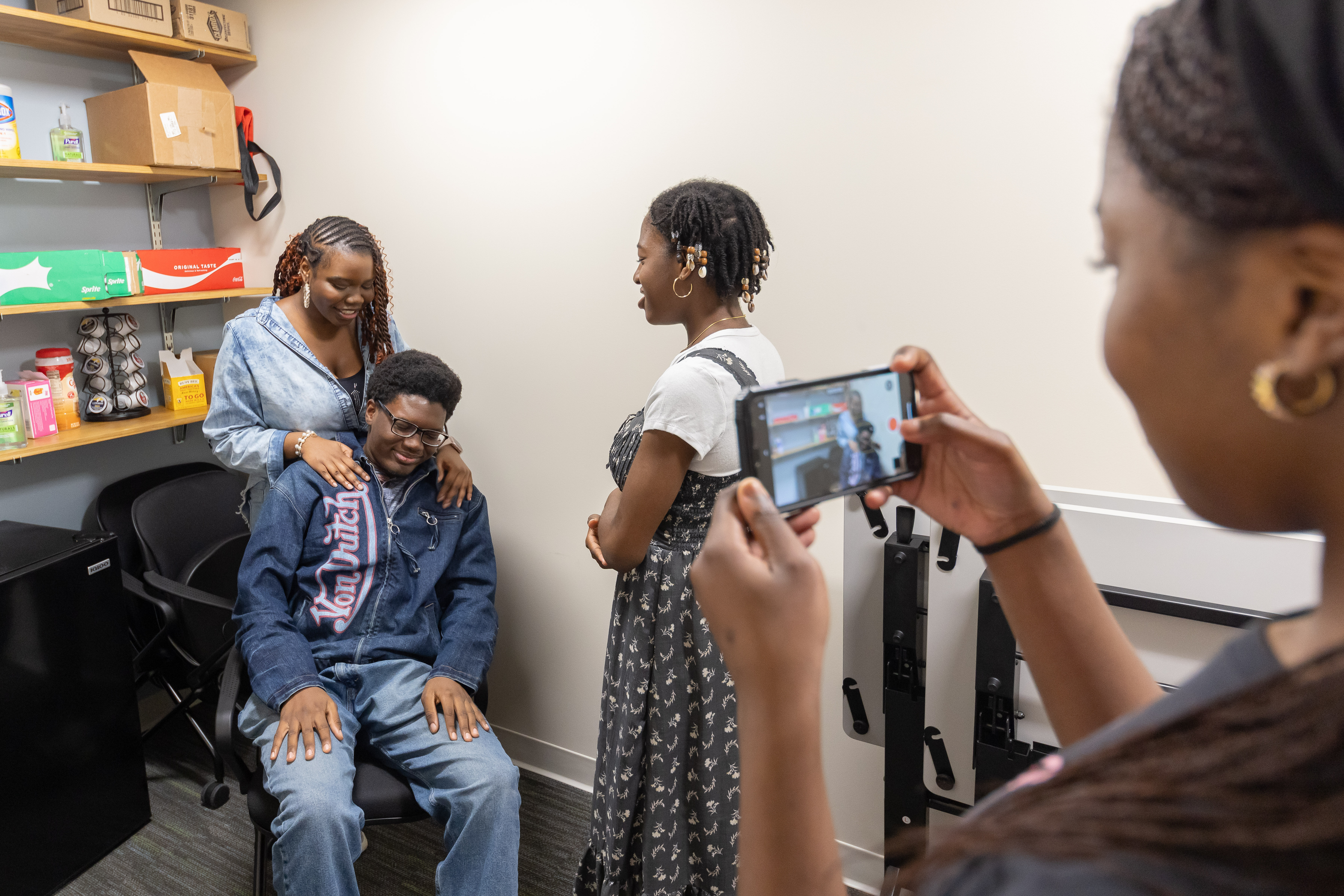
The students ultimately expanded VIBE to be not simply an app, but a youth-led belonging platform designed to help Black teens connect, express themselves without judgment, build community, and support one another both online and in person. The students are continuing to refine VIBE with the goal of piloting and testing the platform in schools and youth settings beginning this fall.
Ahmed Ahmed, an 11th grader at Eleanor Roosevelt High School who also hopes to become a psychologist one day, hopes the VIBE app will help users realize what he did by participating in the internship program.
“I’ve learned that I actually go through a lot of similar experiences compared to my peers, because before I always thought that my experiences were different compared to other people,” Ahmed said. “In the app you can discuss any topic, find community, and make new friends. It's a way that we hope people can free some stress, and connect with other people from around the world.”
The interns weren’t the only ones who learned a thing or two over the course of the internship program, however.
“Having this be a very collaborative journey is really inspiring and humbling because these students are wise beyond their years,” Madison Brown, a student in the MPS in Clinical Psychological Science program and CREATE Lab research assistant, said. “I feel like I’ve learned as much from them as they’ve learned from us.”
The broader mission of the Black Youth Happiness Movement is to help Black teens build culturally responsive spaces where they can express themselves without judgment, strengthen mental wellbeing, and co-create solutions that support belonging, connection, and resilience.
The CREATE Lab plans to continue expanding the Black Youth Happiness Movement through future cohorts, youth-led innovation projects, and community partnerships. For more information and updates, visit the CREATE Lab website at sites.google.com/umd.edu/thecreatelab.
Group photo of cohort one holding their certifications is provided by Henry Willis. All other photos are by Tom Bacho.
Published on Wed, May 13, 2026 - 11:17AM