

Meet the Newest Teachers and Researchers in BSOS

The College of Behavioral and Social Sciences is pleased to introduce some of its newest full-time team members, who will be leading courses and/or conducting research throughout the 2026-27 academic year.
Lecturer Saharnaz Babaei Balderlou, ECON
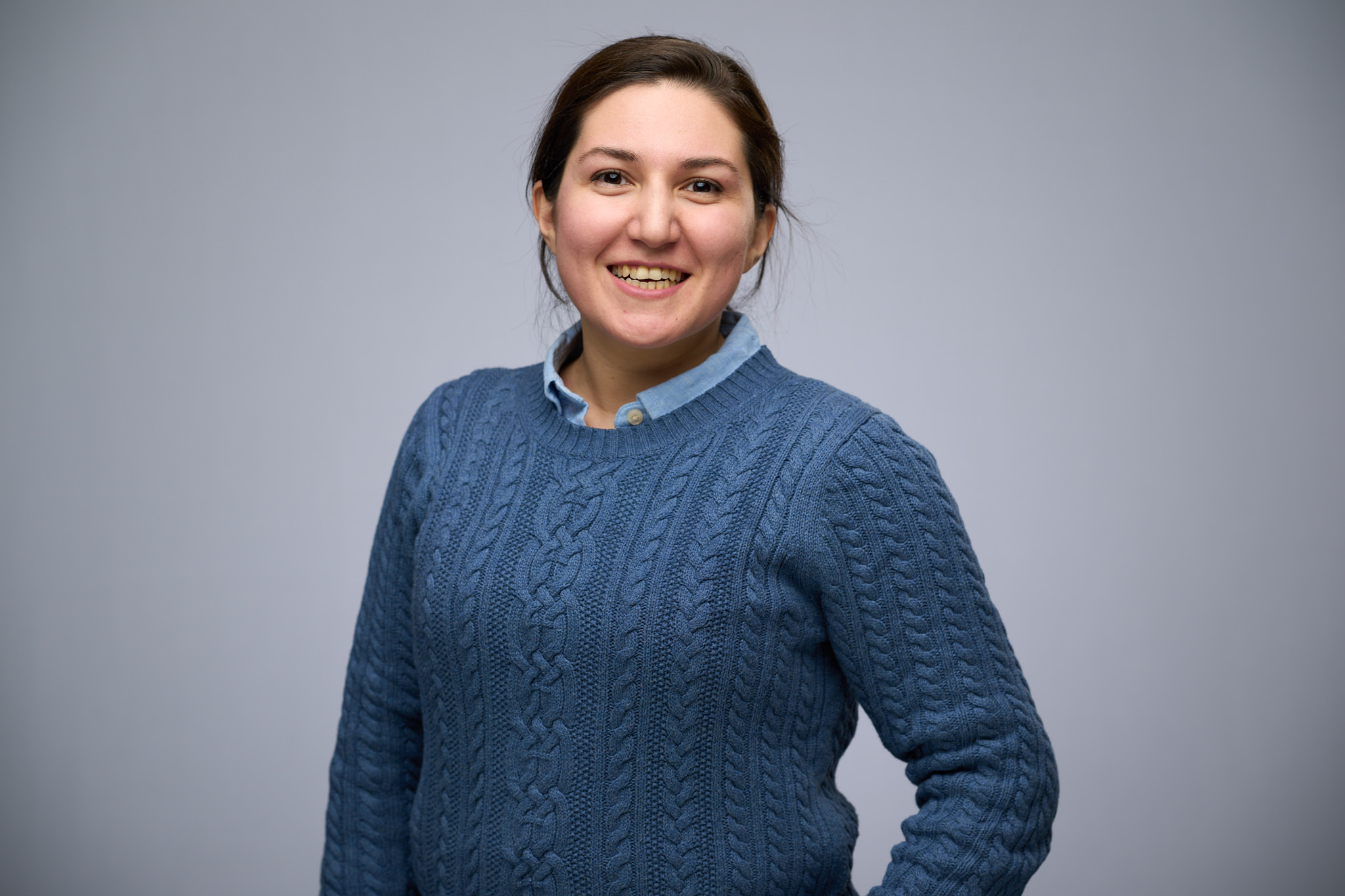
Saharnaz Babaei Balderlou is a Lecturer in the Department of Economics at the University of Maryland. Her research spans two areas. One is the economics of education and teacher labor markets, where she studies how compensation structures and workplace protections shape teacher retention. The other is economics education, where she uses experiments to test how generative AI and peer collaboration affect student learning. Her most recent study, published in the Journal of Economic Education, provides the first randomized controlled evidence on a course-specific Socratic AI tutor in undergraduate economics. She wrote about the study for The Conversation, and the piece was picked up by Fortune and other outlets. She is a member of the inaugural North America cohort of Google Higher Ed Faculty AI Fellows. She earned her Ph.D. in Economics from the University of South Carolina and previously taught at the University of Wisconsin-La Crosse. She will be teaching ECON201: Principles of Macroeconomics, ECON330: Money and Banking, and ECON433: Economics of Big Data.
Lecturer Alexa Singer, CCJS
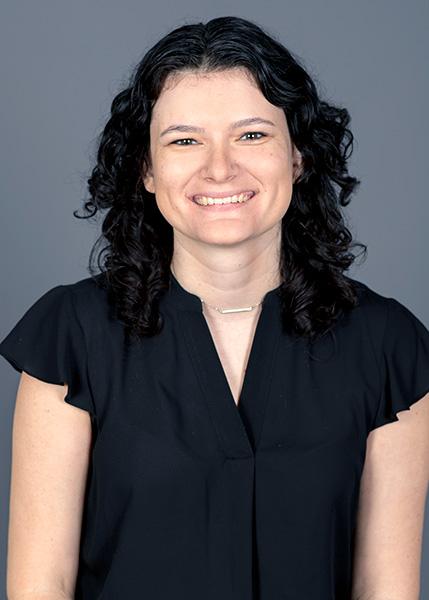
Alexa Singer is the new Program Director of Undergraduate Program and lecturer at the University of Maryland’s Shady Grove campus. Singer's research has focused on local jails, including jail reentry, behavioral health, substance use, and the implementation of reentry and treatment programs. She has conducted qualitative and quantitative research with incarcerated individuals, correctional staff, program administrators, prosecutors, and other criminal justice stakeholders. Prior to joining the University of Maryland’s Shady Grove campus, she served as an Assistant Professor in the Department of Criminology and Criminal Justice at Western Carolina University and most recently worked as a Research Associate at the Justice Information Resource Network (JIRN) in Washington, D.C. Singer earned her Ph.D. in Criminology and Criminal Justice from Florida State University in 2019.

Faculty Specialist Amber Parker, CCJS/VRC
Amber Parker is the Deputy Director of the Center for the Study and Practice of Violence Reduction, aka the Violence Reduction Center (VRC). Amber previously served as a Senior Policy Advisor at the U.S. Department of Justice’s Bureau of Justice Assistance, where she led national efforts to advance evidence-based crime reduction and community safety. Her work centered on helping jurisdictions implement the Violent Crime Reduction Roadmap and supporting cities in adopting the Ten Essential Actions that align federal resources with locally driven strategies to reduce gun violence. Before entering federal service, she was the Grant Manager for the City of Omaha Mayor’s Office; managed Douglas County’s Juvenile Justice System Reform initiative; launched a School Justice Partnership pilot; and held multiple youth-focused and justice system roles including Youth Services Administrator, Juvenile Diversion Programs Supervisor, Youth Advocate, and Juvenile Court School Liaison. Parker holds a Master of Justice Management from the University of Nevada, Reno, and a bachelor’s degree in sociology from the University of Iowa. She holds an Executive Certificate from Georgetown University’s McCourt School of Public Policy School-Justice Partnerships Certificate Program, is a member of the Georgetown Fellows Network, and has advanced training in gang prevention, intervention, and counseling.

Postdoctoral Associate Xiangjie Chen, GEOG
Xiangjie Chen is a Postdoctoral Associate in the Department of Geographical Sciences. He received his Ph.D. in Geographical Sciences from the University of Maryland in 2025 and holds an M.S. in Applied Economics and a B.S. in Economics. His research asks how the world can achieve sustainable transition without leaving people behind, spanning climate policies for a just transition; sustainable production and consumption; international trade; climate-resilient agriculture; and combining input-output analysis, integrated assessment modeling, and methods for decision-making under uncertainty. Chen’s work has appeared in top journals such as Nature, Nature Climate Change, Nature Sustainability, Environmental Science & Technology, and One Earth, and his study of the decoupling of consumption-based CO₂ emissions from economic growth informed Working Group III of the IPCC Sixth Assessment Report. He has consulted for the International Labour Organization and the Inter-American Development Bank, and worked with the USDA Agricultural Research Service on agricultural resilience under price and weather uncertainty, drawing on agronomy, geography, and economics. Chen received the department’s Excellence in Graduate Research Award, and currently serves on the boards of both the Environmentally Extended Input-Output Section and the Student Chapter of the International Society for Industrial Ecology (ISIE). He also leads ISIE’s Global South Research Initiative. This semester Chen is teaching GEOG 202: Introduction to Human Geography.
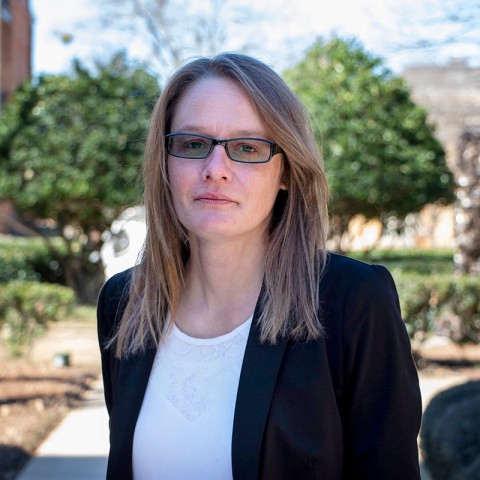
Assistant Research Professor Ashleigh Price, GEOG
Ashleigh Price is a human-environment geographer with a diverse research background focusing broadly on GIS, spatial analysis and statistics, crime geography, and facilities location modeling. In recent research, she has analyzed how different types of hazards and disasters influence spatial and temporal changes in patterns of crime. In her current work at UMD, she researches the spatial, social, and environmental impacts of illicit wildlife trafficking.
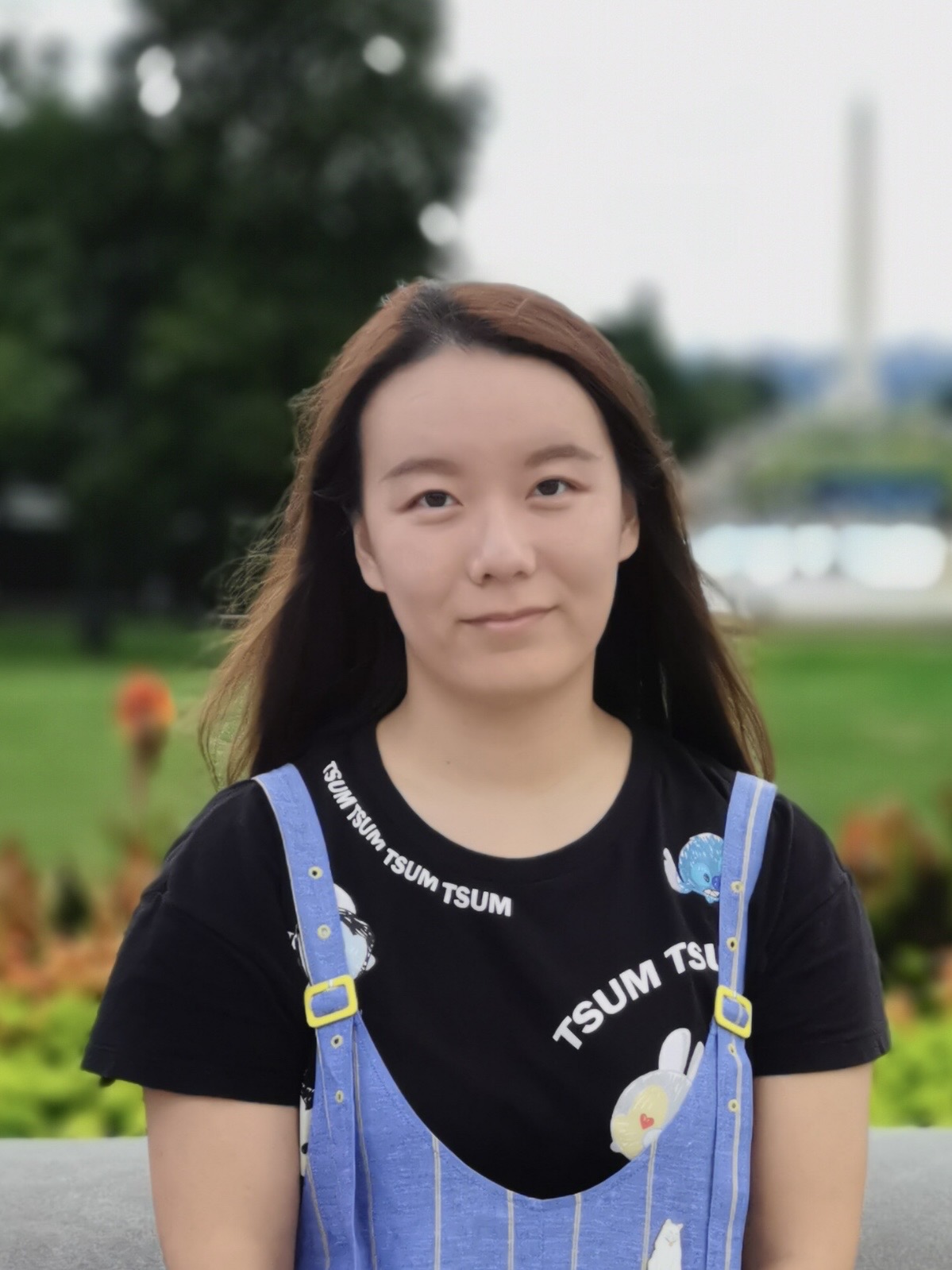
Postdoctoral Associate Xinyuan Li, GEOG
Xinyuan Li is a postdoctoral associate in the Department of Geographical Sciences, where she also earned her Ph.D. She is a geographer whose research uses multi-source remote sensing observations—from airborne and spaceborne platforms—to better understand and monitor changes in land cover and land use, particularly vegetation canopy, around the world. Her dissertation focused on advancing the characterization of vegetation structure in dryland ecosystems by integrating LiDAR, optical, and SAR data. The results of her work support sustainable land management and environmental conservation in a changing climate. She is currently involved in several projects, including a NASA-funded effort to develop near-real-time attribution of land disturbances and a World Bank-funded research to investigate forest carbon dynamics in the Congo Basin.
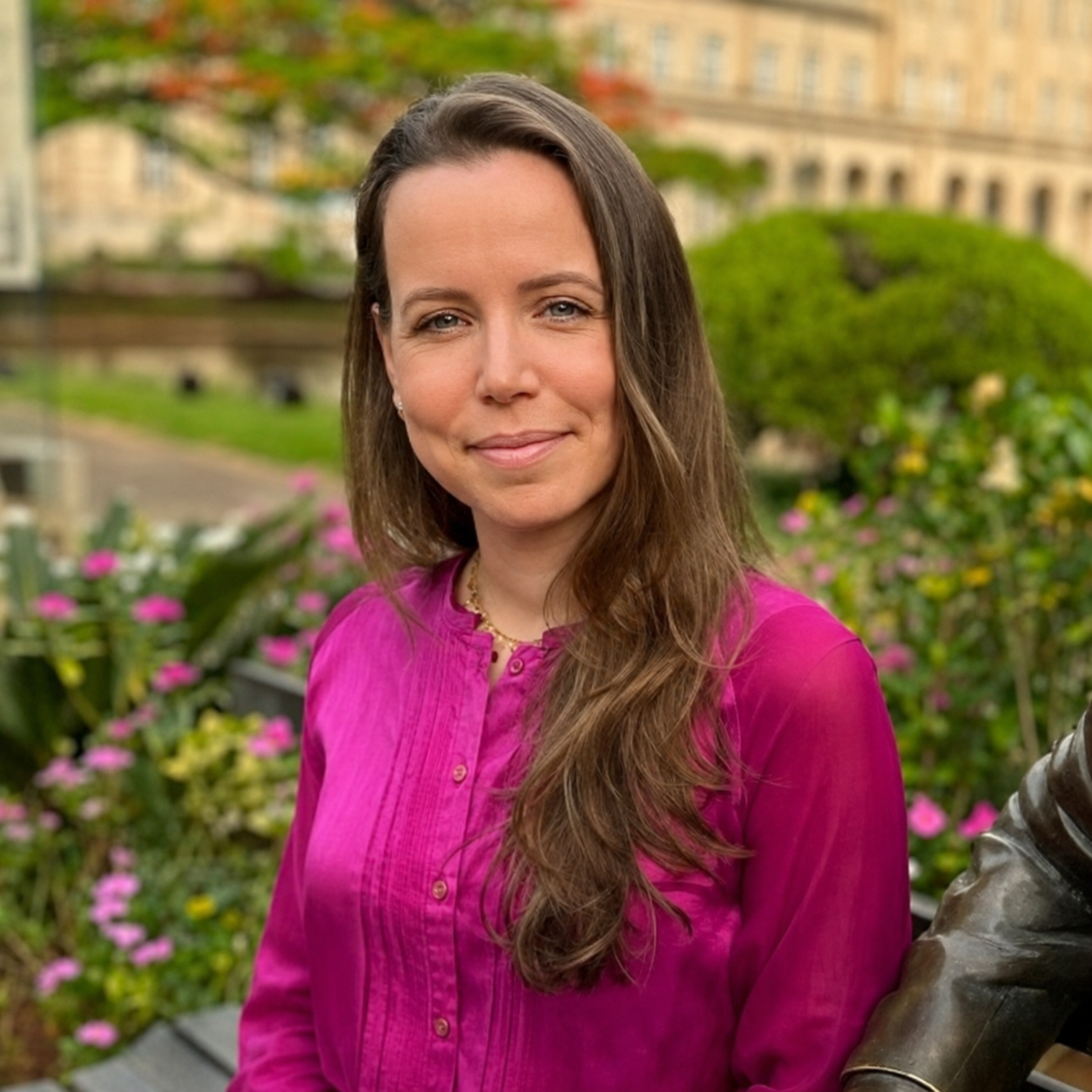
Postdoctoral Associate Bruna Lara De Arantes, GEOG
Bruna Lara De Arantes is a Postdoctoral Associate in the Department of Geographical Sciences at the University of Maryland. She earned her Ph.D. in Forest Resources from the University of São Paulo, Brazil. Her research experience spans urban ecology, spatial analysis, geographic information systems (GIS), spatiotemporal analysis, and urban tree cover. In 2021, Bruna served as a visiting researcher at the USDA Forest Service’s Northern Research Station in Baltimore, Maryland. She is currently a member of the NASA Global Ecosystem Dynamics Investigation (GEDI) Mission Science Team and the LEAF Lab at UMD.
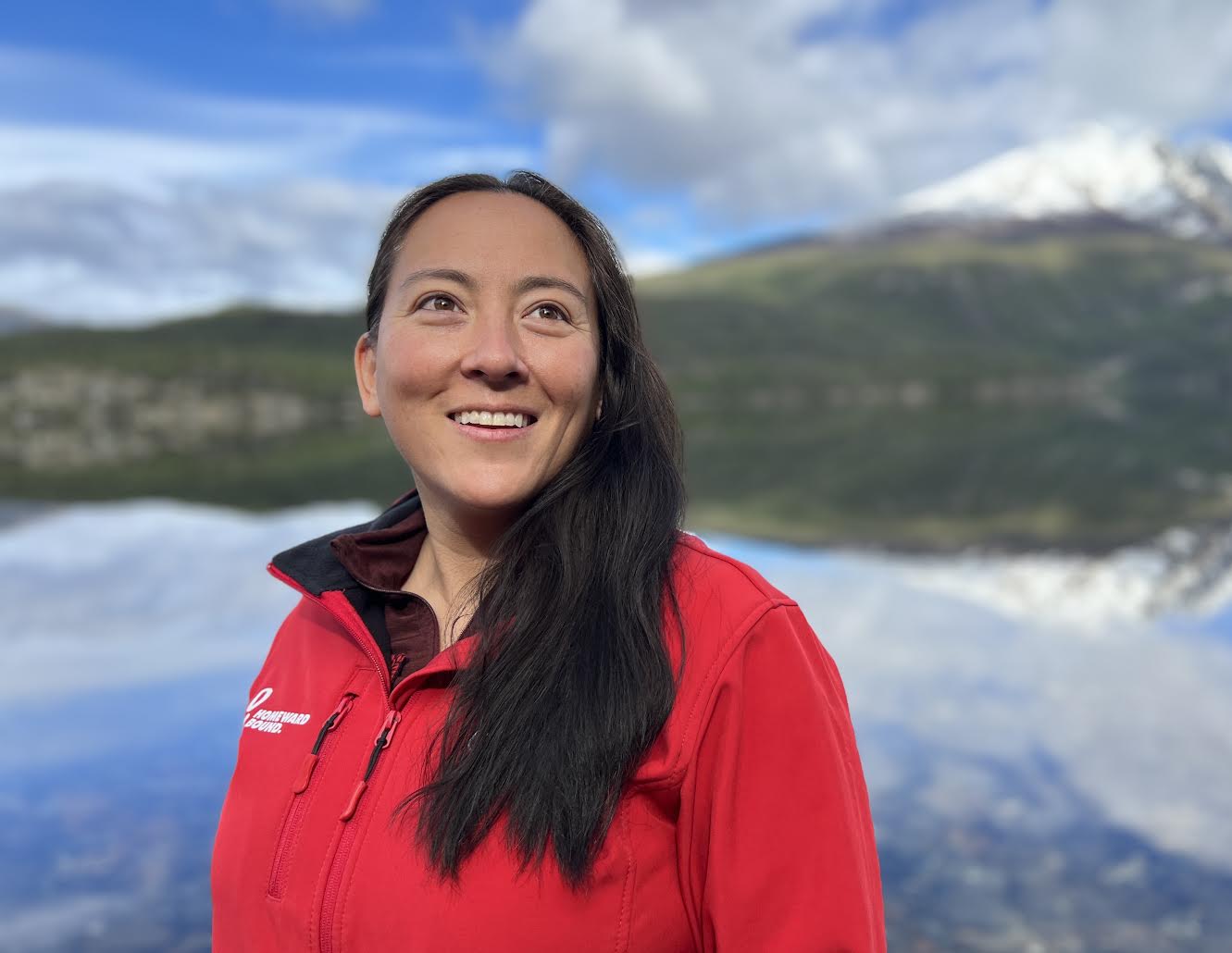
Assistant Research Professor Alison Thieme, GEOG
Alison Thieme is a researcher leading a project with NASA Acres, NASA's consortium that uses Earth observation technology to support domestic food security. Her work focuses on using satellite data to better understand the performance of sustainable agriculture practices, particularly cover cropping and reduced tillage. The performance of various management practices are related to incentive program data to inform adaptive management. Prior to her agricultural research, Thieme focused on wildlife conservation primarily in tropical ecosystems. Thieme served in the U.S. Peace Corps in Madagascar working in both conservation and agriculture to reduce deforestation pressures.
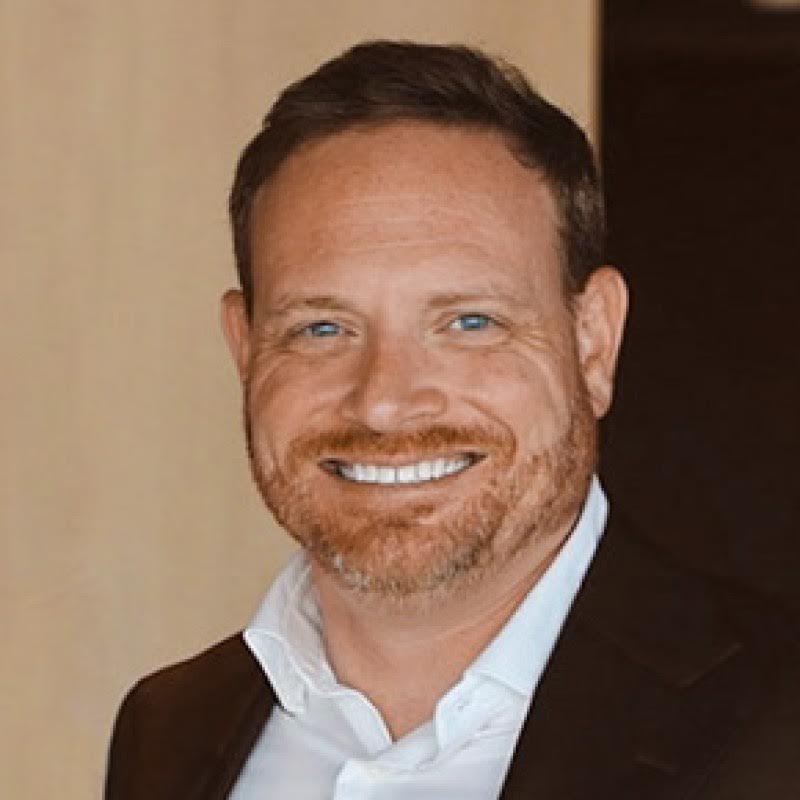
Faculty Specialist Adam Zwerner, GEOG
Adam Zwerner leads communications and outreach for NASA Acres, NASA’s Agriculture Consortium based at the University of Maryland, where he advances the use of NASA Earth observation data in U.S. agriculture through strategic engagement with partners, stakeholders, and media. He brings extensive experience supporting federal agencies, international NGOs, and the private sector, both in the United States and globally. He holds a B.A. in International Affairs from George Washington University.
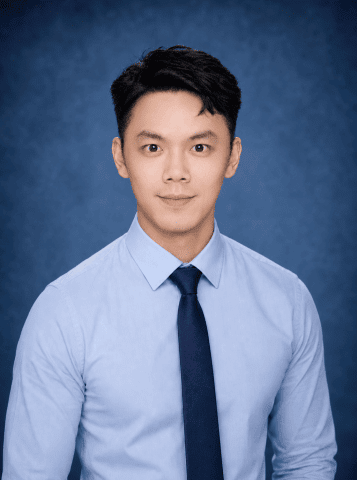
Postdoctoral Associate Yanzhou Xie, GEOG
Yanzhou Xie is a Postdoctoral Associate at the University of Maryland specializing in SAR remote sensing, LiDAR remote sensing, and multi-sensor data fusion for forest structure and biomass mapping. He earned dual Ph.D. degrees from the University of Toulouse and Central South University, where he developed retrieval algorithms for forest structural parameters in support of the European Space Agency’s BIOMASS mission. His current research focuses on integrating GEDI and BIOMASS observations to improve large-scale estimates of forest height and above-ground biomass. As part of NASA’s Carbon Monitoring System (CMS), he also works on pantropical forest structure and biomass mapping using the fusion of GEDI LiDAR and TanDEM-X SAR data. More broadly, his work aims to advance remote sensing methodologies for forest monitoring, carbon-cycle science, and ecosystem characterization through the integration of complementary radar and LiDAR observations.
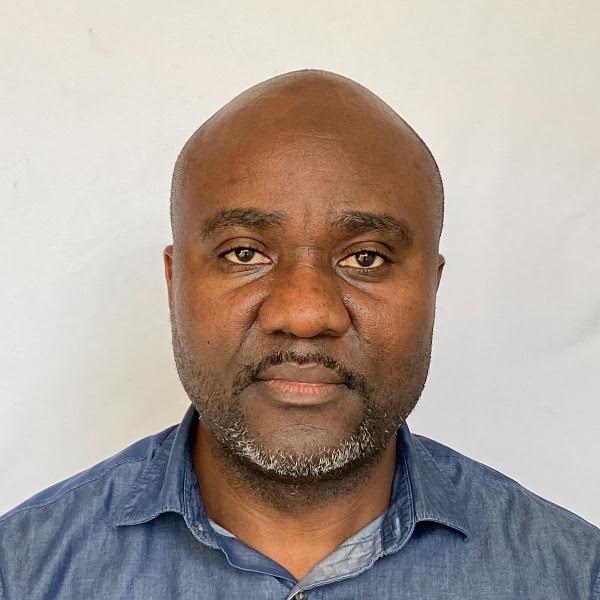
Visiting Senior Faculty Specialist Eddy Bongwele, GEOG
Eddy Bongwele is an agricultural engineer specializing in remote sensing for natural resource management, with over two decades of experience in Geographical Information Systems and geospatial sciences. He worked as a senior remote sensing officer at Observatoire Satellital des Forêts d'Afrique Centrale (OSFAC), and collaborated with the World Wildlife Fund on the “Carbon Map and Model” project, which focuses on quantifying and mapping forest biomass in the Democratic Republic of the Congo. Bongwele holds a Master of Sciences degree in Geospatial Information Sciences. His research focuses on processing and analyzing time-series Landsat multispectral data and high-resolution satellite imagery, with emphasis on quantifying land cover and land use changes, including forest loss and gain, using sample-based methods to support global and regional land cover and land use change research program within the Geographical Sciences Department’s GLAD Laboratory. In 2011, Bongwele was a visiting researcher at Cornell University through the U.S. Department of State’s Hubert Humphrey Fellowship Program, where he studied environmental policy, natural resources, and climate change.

Faculty Specialist Monica Adjei, GEOG
Monica Adjei is a Faculty Specialist at the Xylem Lab, working with GEOG Assistant Professor Catherine Nakalembe. She earned a Master of Science degree in Geospatial Information Science from the University of Maryland in 2025 but has been part of the Xylem Lab since 2024, first as a Teaching Assistant and now as a Faculty Specialist. Broadly, Adjei's research with the lab focuses on data visualization through Geospatial techniques and mapping agroforestry systems. Beyond research, she contributes to outreach, science-communication efforts, and event planning, and, as a first-generation graduate, is committed to broadening access to geospatial science.
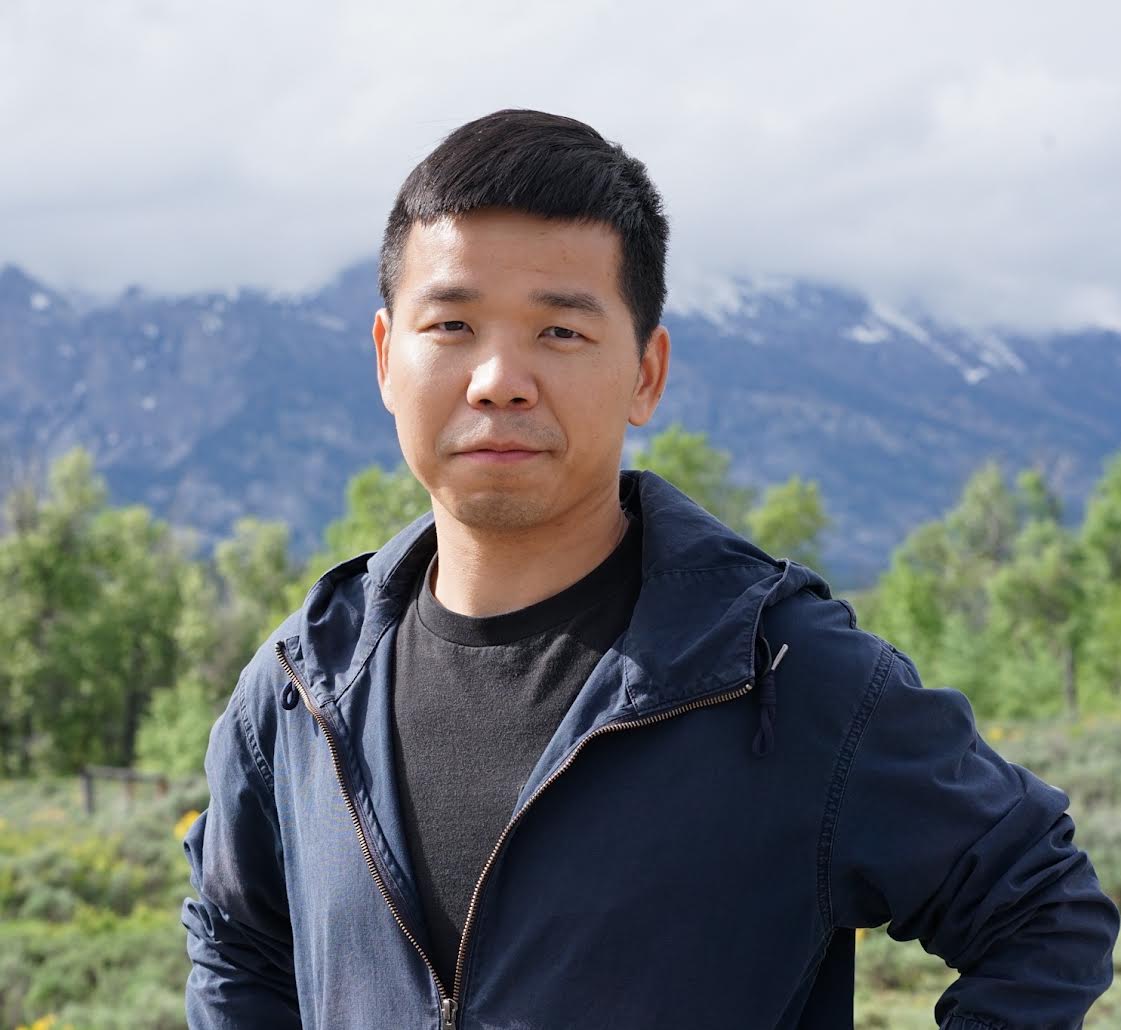
Postdoctoral Associate Haijun Li, GEOG
Haijun Li is a Postdoctoral Associate in the Department of Geographical Sciences at the University of Maryland. He received his Ph.D. in geographical sciences at the University of Maryland in 2026. Prior to pursuing his Ph.D., he worked as a senior software engineer. He earned his B.S. and M.S. degrees in Geographical Information System from Wuhan University, China. His research focuses on monitoring agricultural sustainability using satellite remote sensing and statistical approaches, with interests in large-scale satellite data processing, near-real-time crop type mapping and yield forecasting, long-term monitoring of crop extent and phenology, and the assessment of climate impacts on crop production and agricultural adaptation. He works with Associate Professor Xiao-Peng Song in GEOG and leads a project focused on monitoring energy-related land-cover and land-use change in the southwestern United States.

Postdoctoral Associate Quan Shen, GEOG
Quan Shen is a postdoctoral associate in the Department of Geographical Sciences at the University of Maryland. She also earned her Ph.D. from the department, where her dissertation research focused on advancing forest carbon monitoring at high spatial and temporal resolution. Her research integrates remote sensing, ecosystem modeling, and field observations to better understand vegetation carbon stocks and dynamics. Her research interests span forests, trees outside forests, and newly established trees, with an emphasis on improving how these resources are monitored across space and time.
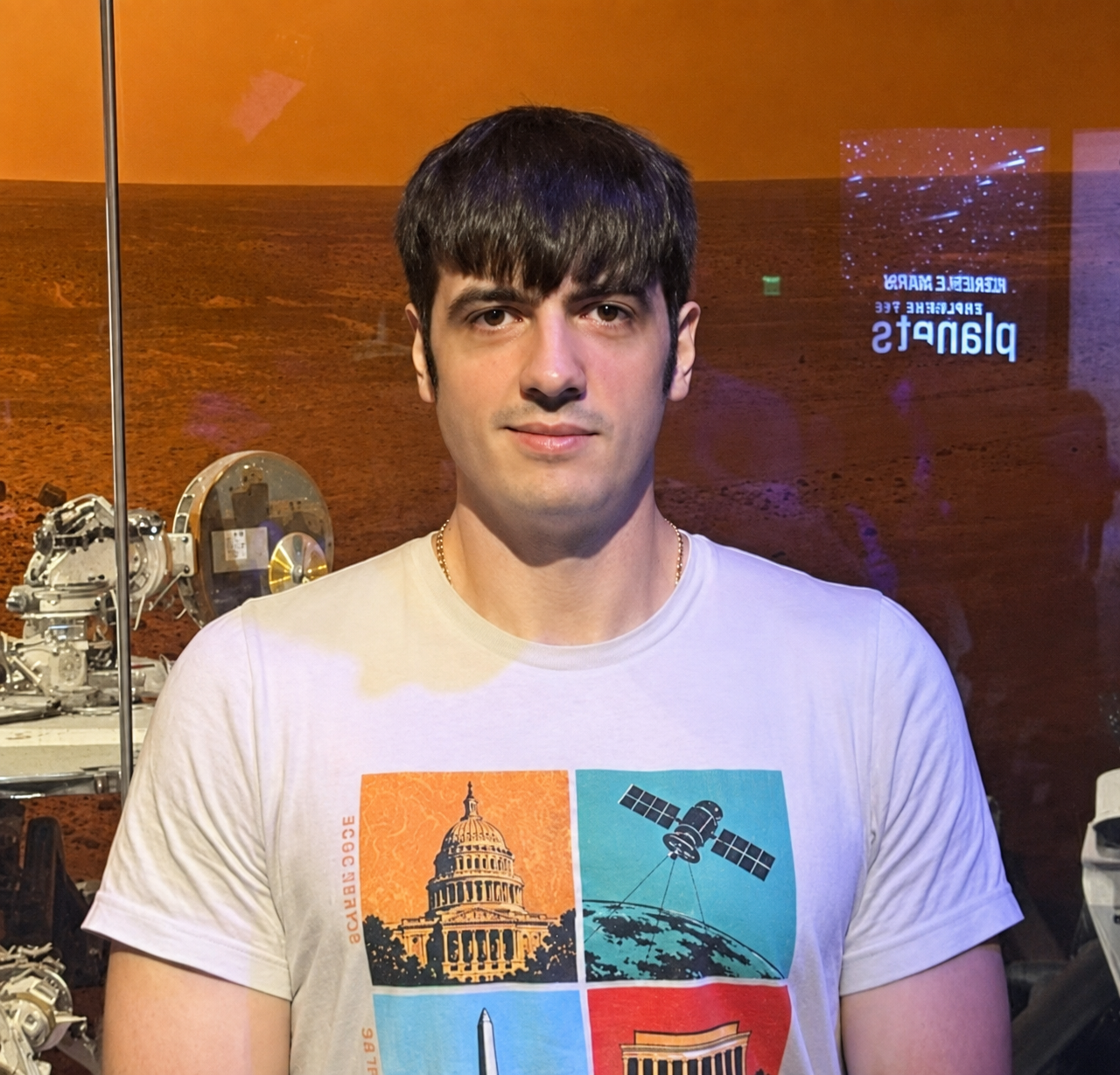
Postdoctoral Associate Leonid Shumilo, GEOG
Leonid Shumilo is a postdoctoral associate in the Department of Geographical Sciences at the University of Maryland. He received his Ph.D. in Geographical Sciences from the University of Maryland in 2025 and his master’s degree in Applied Mathematics from the Physics and Technology Institute at Igor Sikorsky Kyiv Polytechnic Institute in 2021. He is a NASA FINESST Fellow with over 10 years of experience in geosciences and remote sensing.
Leonid’s research focuses on the application of AI models and remote sensing data to agricultural and environmental research, land-cover and land-use change analysis, the impacts of climate change on food systems, and the assessment of the consequences of war for Ukraine’s agricultural landscapes and environment.
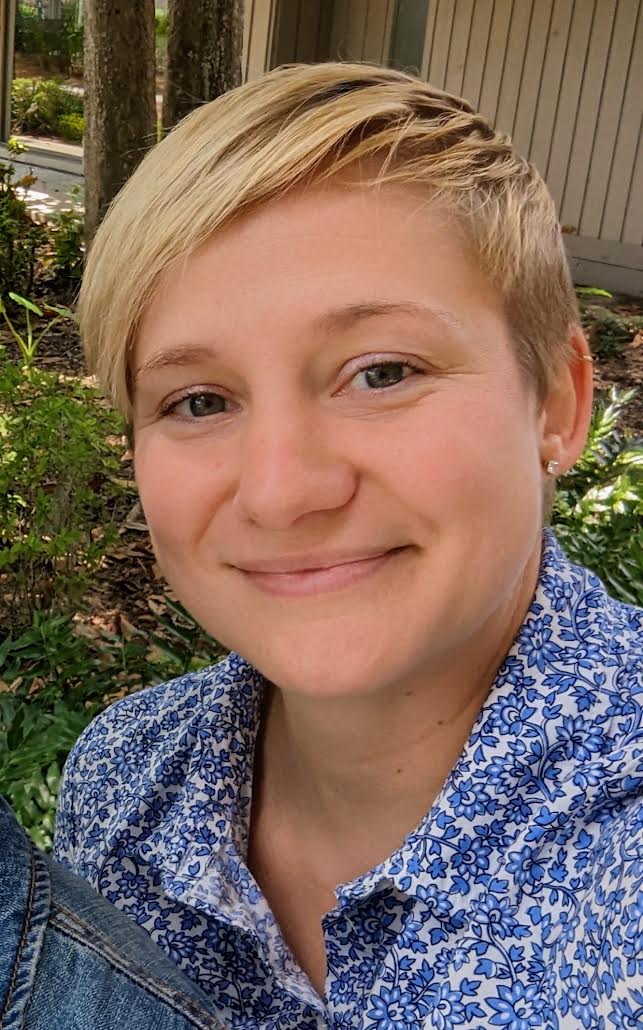
Visiting Associate Research Professor Elizabeth Wiggins, GEOG
Liz Wiggins is a Visiting Associate Research Professor in the Department of Geographical Sciences. Her research focuses on wildfire science, atmospheric composition, and air quality modeling, with an emphasis on translational science that connects Earth observations to operational decision-making. She works at the intersection of satellite remote sensing, airborne and in situ observations, and atmospheric modeling to improve our understanding and prediction of wildfire emissions and smoke impacts.
Prior to joining UMD, Wiggins worked as a research scientist at NASA Langley Research Center. She earned her B.S. in Earth and Atmospheric Science at Georgia Institute of Technology, and a M.S. and Ph.D. in Earth System Science at the University of California, Irvine.
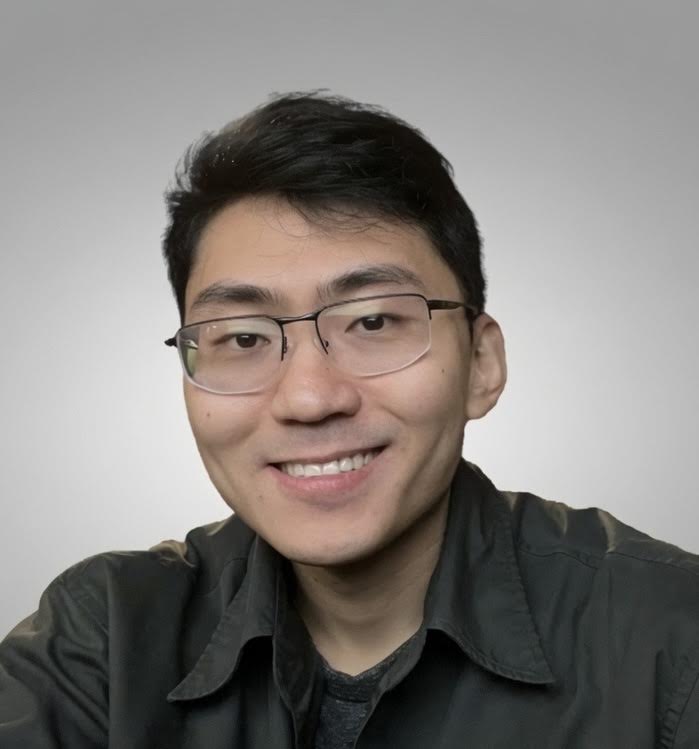
Postdoctoral Associate Sitian Xiong, GEOG
Sitian Xiong is an agricultural remote sensing scientist who uses Earth observations and modern computational approaches to understand and monitor agricultural production systems. During his Ph.D. research at Clark University, Xiong focused on data-scarce, smallholder-dominated regions, using satellite remote sensing and deep learning to map cropland and field boundaries and track agricultural change. At UMD, Xiong will work with the GEOG NASA Harvest team to integrate multi-source remote sensing, crop simulation, and deep learning to improve agricultural monitoring and crop yield forecasting in support of food security decision-making.
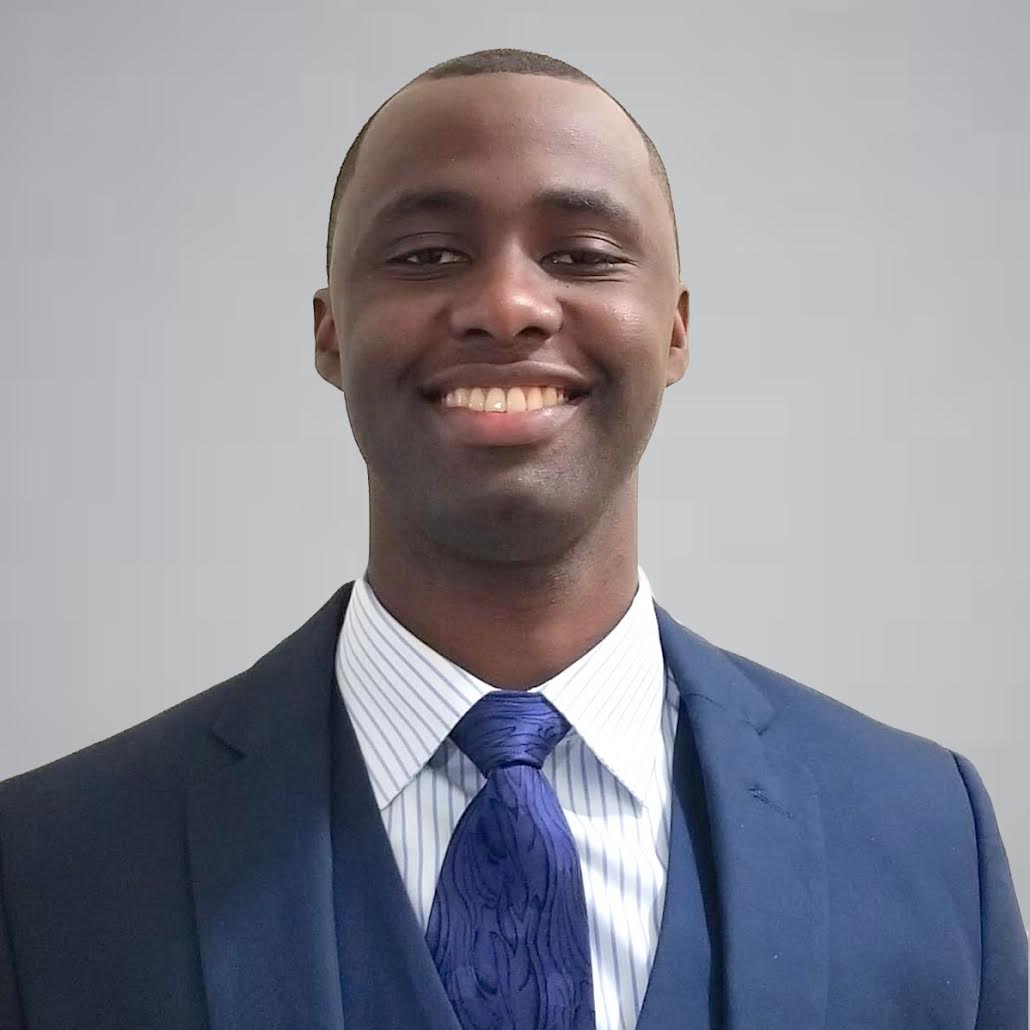
Assistant Professor Sean Paul Ashley, GVPT
Sean Paul Ashley is an Assistant Professor in the Department of Government and Politics. Previously, he was the Niehaus 1985 Postdoctoral Fellow in U.S. Foreign Policy and International Security at the John Sloan Dickey Center for International Understanding at Dartmouth College, and a Hans J. Morgenthau Fellow at Notre Dame International Security Center. He received his Ph.D. from the Harvard University Department of Government in 2023. His research examines the legacies of war, nonviolent uprisings, and authoritarian rule, as well as the survival of authoritarian regimes in the post-Cold War era. His work has a regional focus on Africa and the Global South. His research has been published in International Studies Quarterly, the Journal of Peace Research, and Conflict, Security and Development. He will be teaching courses on Violent Politics, and Authoritarian Rule.

Associate Professor Swati Srivastava, GVPT
Swati Srivastava is an Associate Professor in the Department of Government and Politics and Core Faculty in the AI Interdisciplinary Institute at Maryland (AIM). She is also a Faculty Associate at the Berkman Klein Center for Internet & Society at Harvard University and a Non-Resident Scholar on Digital Futures at New America. Srivastava’s current research examines the global power of Big Tech firms, the geopolitics of AI development, and responsibility attribution problems in AI governance. She is the author of Hybrid Sovereignty in World Politics (Cambridge University Press, 2022) and Responsible AI and Structural Justice: Addressing Harm When Blame is Hard to Find (Cambridge Elements in AI Ethics and Society, forthcoming), along with numerous articles in top disciplinary journals. At UMD, Srivastava will teach undergraduate and graduate courses on global governance, the politics of AI, and qualitative methods. She will also direct the International Politics and Responsible Tech (iPART) lab. Prior to joining UMD, Srivastava was Associate Professor of Political Science and University Faculty Scholar at Purdue University. She earned her Ph.D. from Northwestern in 2017.
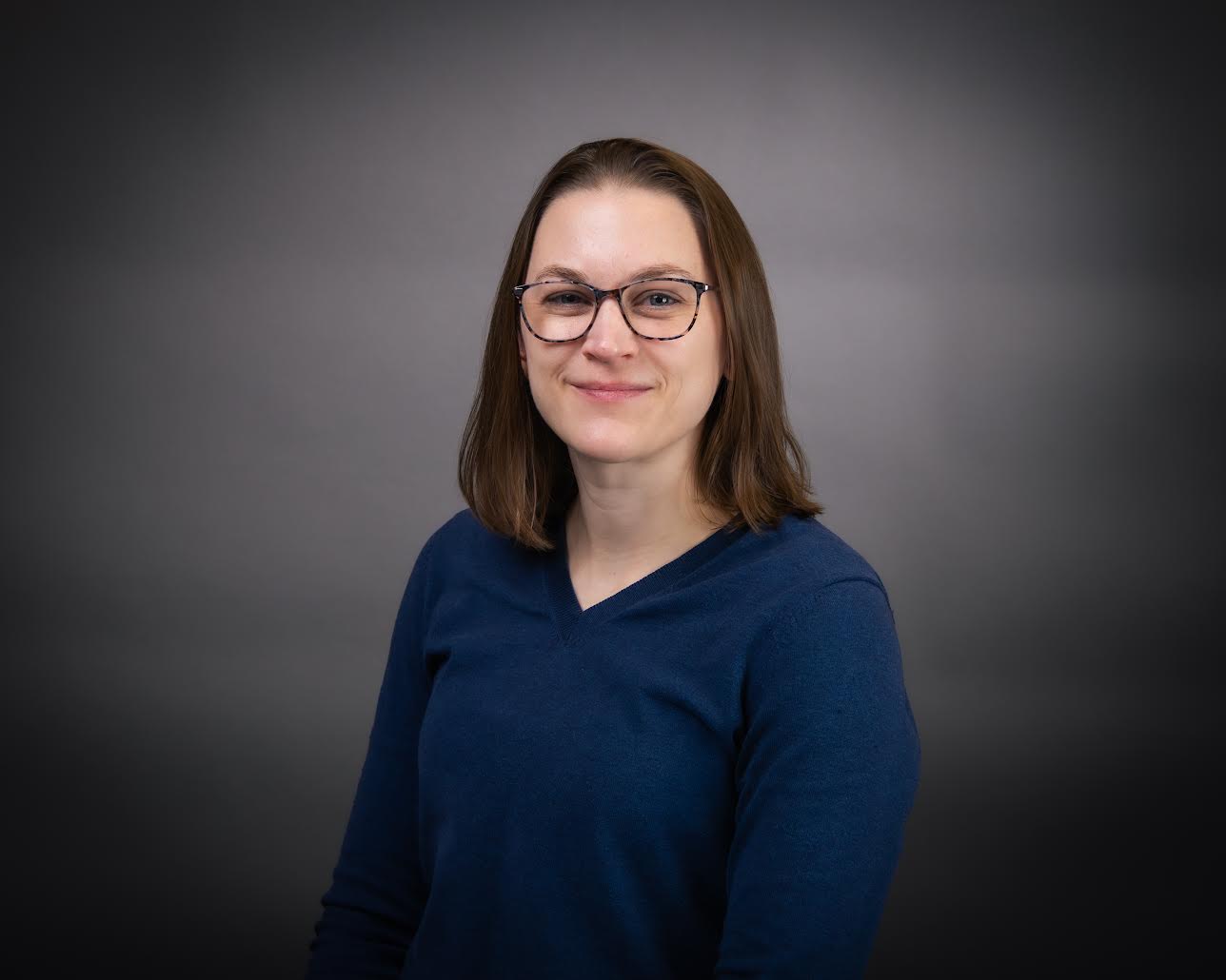
Assistant Clinical Professor Clare Gallagher, HESP
Clare Gallagher is an audiologist and Clinical Assistant Professor in the Department of Hearing and Speech Sciences. A Maryland native, Gallagher earned her Doctor of Audiology degree through the University of the Pacific in San Francisco, and also holds her Bachelor of Science degree in Speech-Language Pathology & Audiology from Towson University. Her clinical background includes adult and pediatric diagnostics, fitting and management of hearing aid and osseo-integrated devices for adults, and vestibular assessments for adults as well. Gallagher also has a particular interest in community outreach, and finds joy in working with under-served populations who might experience barriers to accessing hearing healthcare.
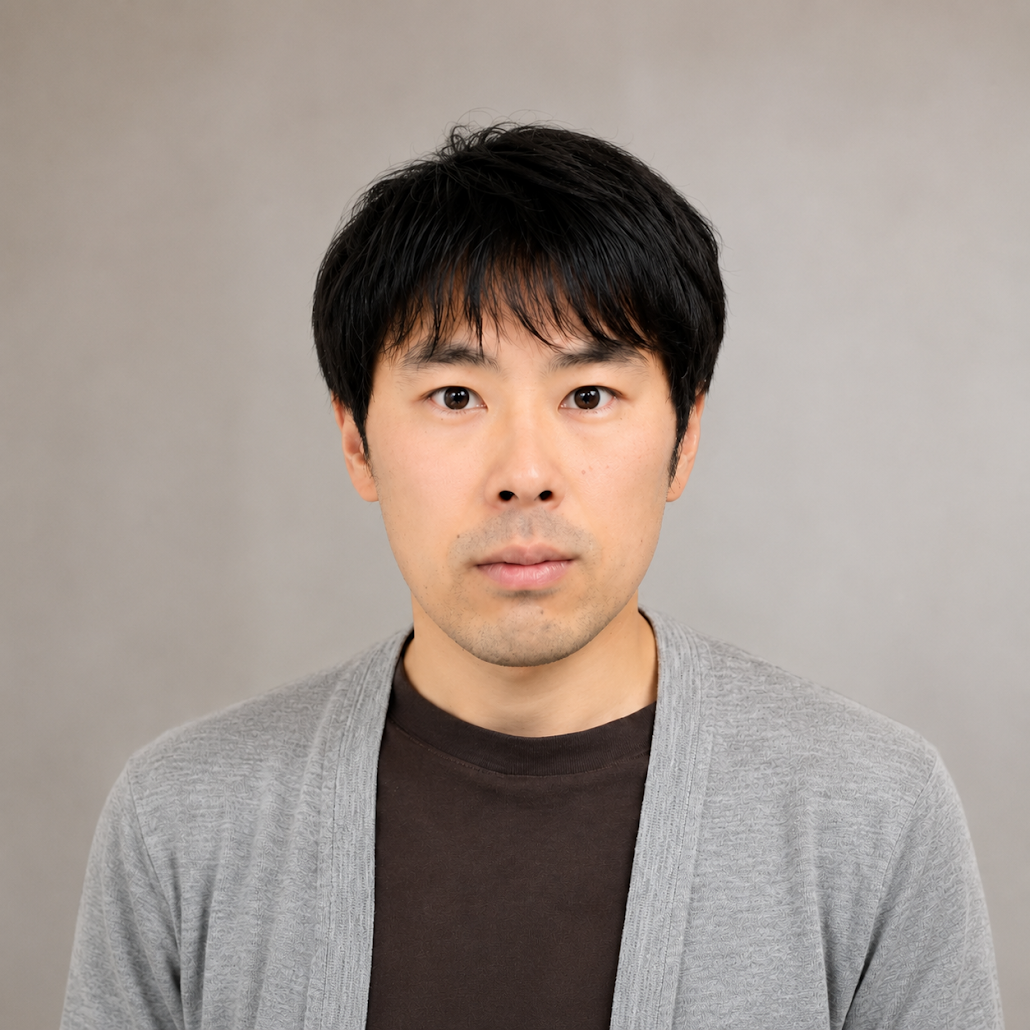
Assistant Professor Atsushi Kikumoto, PSYC
Atsushi Kikumoto is an Assistant Professor in the Department of Psychology, the Program in Neuroscience and Cognitive Science, and the Brain and Behavior Institute. He began his undergraduate studies at Lane Community College before transferring to the University of Oregon, where he obtained his Ph.D. in Psychology in 2020, with his dissertation focusing on how abstract goals are translated into a format that guides specific behavior. He then completed postdoctoral training at Brown University and the RIKEN Center for Brain Science in Japan, studying the dynamics and geometry of task representations.
Kikumoto's research focuses on the cognitive neuroscience of cognitive control, learning, memory, and decision making. He is interested in understanding what it takes to think and act intelligently and flexibly, explaining how natural and artificial brains use representations dynamically, and identifying the computational principles that underlie adaptive behavior. He pursues these questions in his newly established Cognitive Flexibility Dynamics Lab, drawing from experimental psychology, cognitive neuroscience, and computational modeling. He will be teaching PSYC417: Data Science for Psychology and Neuroscience Majors in spring 2027.
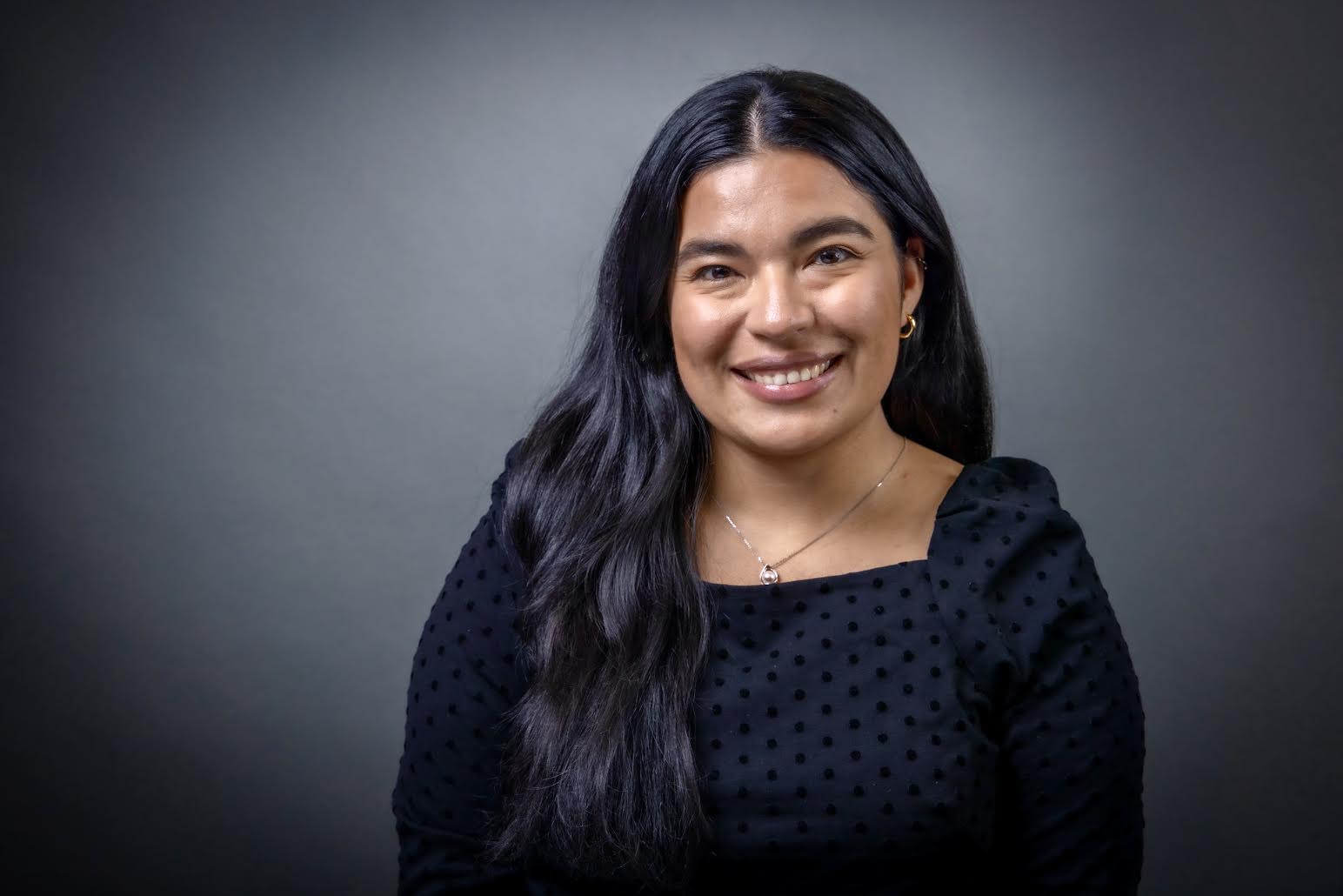
Faculty Specialist Tatiana Menjivar, PSYC
Tatiana Menjivar earned her Master of Professional Studies in Clinical Psychological Science and Bachelor of Arts in Psychology at the University of Maryland, College Park. She has over 10 years of experience working with transitioning age youth by providing evidence-based comprehensive programs in education, social services and community engagement. Her professional experience includes working in non-profit, K-12 and higher education settings. Menjivar has been recognized as a recipient of the UMD 2025-2026 Provost’s Academic Advisor of the Year Award; 2021 Next Generation of Afterschool Leaders for the state of Maryland by the National Afterschool Association; and Telemundo 44 Washington, D.C.’s “Hero among Us” in 2020. As the iSTEM SUCCEEDS Coordinator, Menjivar will serve as the main liaison for iSTEM students. iSTEM is a partnership between the A. James Clark School of Engineering, the College of Behavioral & Social Sciences, and the Provost’s Office designed to catalyze the success of newly admitted unconventional learners. iSTEM offers community, mentorship, practical experiences and more.
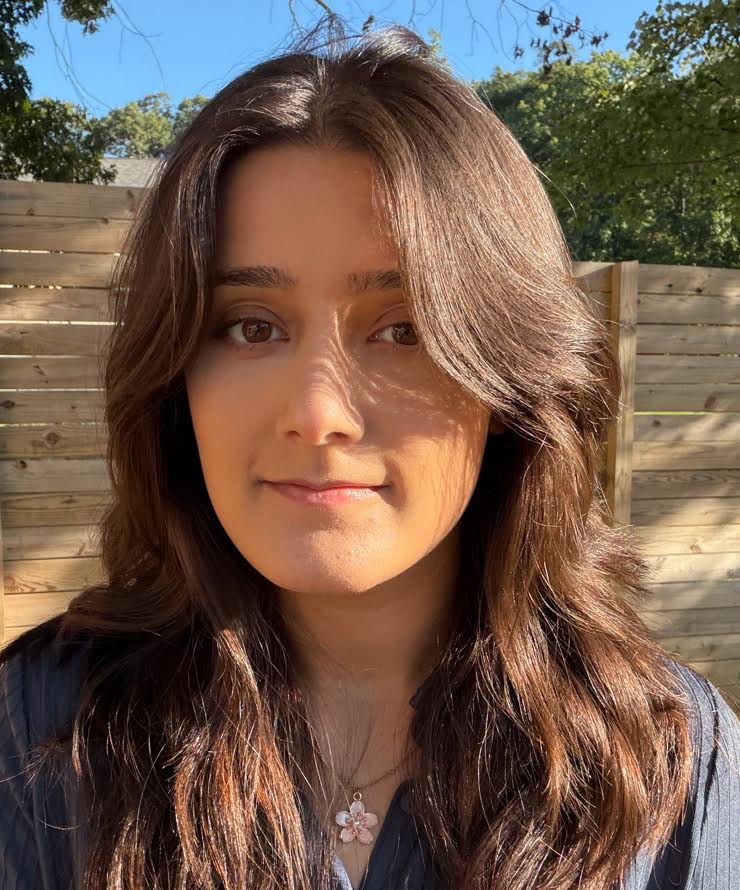
Faculty Assistant Minha Asif, PSYC
Minha Asif is the SUCCEEDS Clinic Coordinator at the University of Maryland, who will also be participating in the UMD ADHD Research Lab, under the supervision of Dr. Chronis-Tuscano. Asif got her Master’s degree in Clinical Psychology at Towson University, and worked in an ADHD-focused research lab for 6 years, where the overarching goal is to develop, implement, and evaluate an evidence-based psychosocial treatment for students with ADHD on Towson’s campus, guided by a university-wide needs assessment. Asif also has over two years of direct clinical experience working with children with neurodevelopmental disorders and feeding disorders at Kennedy Krieger Institute's Behavioral Psychology program and as a clinical intern at a residential treatment facility. Additionally, she has served as the graduate assistant and student ambassador for her graduate program, and assisted in program outreach, admissions, and administrative duties. She has an interest in treatment outcome research and hopes to obtain admission into a clinical psychology Ph.D. program in the future, where she can continue this research.

Faculty Assistant Alejandro Todd, PSYC
Alejandro Todd received his B.S. in Psychology from the University of Pittsburgh, along with a Certificate in Children's Literature. His primary research interests focus on the identity development of adolescents of color and how identity shapes political engagement, sense of belonging, and mental health. He is particularly interested in understanding the racial identity development of transracially adopted adolescents. Todd is the current Lab Manager/Research Coordinator for the Lavender Lab, led by PSYC Associate Professor Ethan Mereish. He primarily works on Mereish's R01 study, which focuses on the impact of intersectional minority stress (e.g., discrimination) and structural oppression (e.g., structural racism and heterosexism) on substance use and mental health outcomes among sexual and gender minority youth of color.

Faculty Assistant Aditi Malpure, PSYC
Aditi Malpure recently graduated from the University of Connecticut with a degree in Molecular and Cell Biology and a minor in Psychology. Malpure is currently working as a postbac project coordinator for the Shackman Lab in the Affective and Translational Neuroscience Lab, where research focuses on fear and anxiety across various patient populations, including individuals with alcohol use disorder. Malpure is interested in the intersection of neuroscience, psychology, and medicine, and hopes to attend medical school in the future.
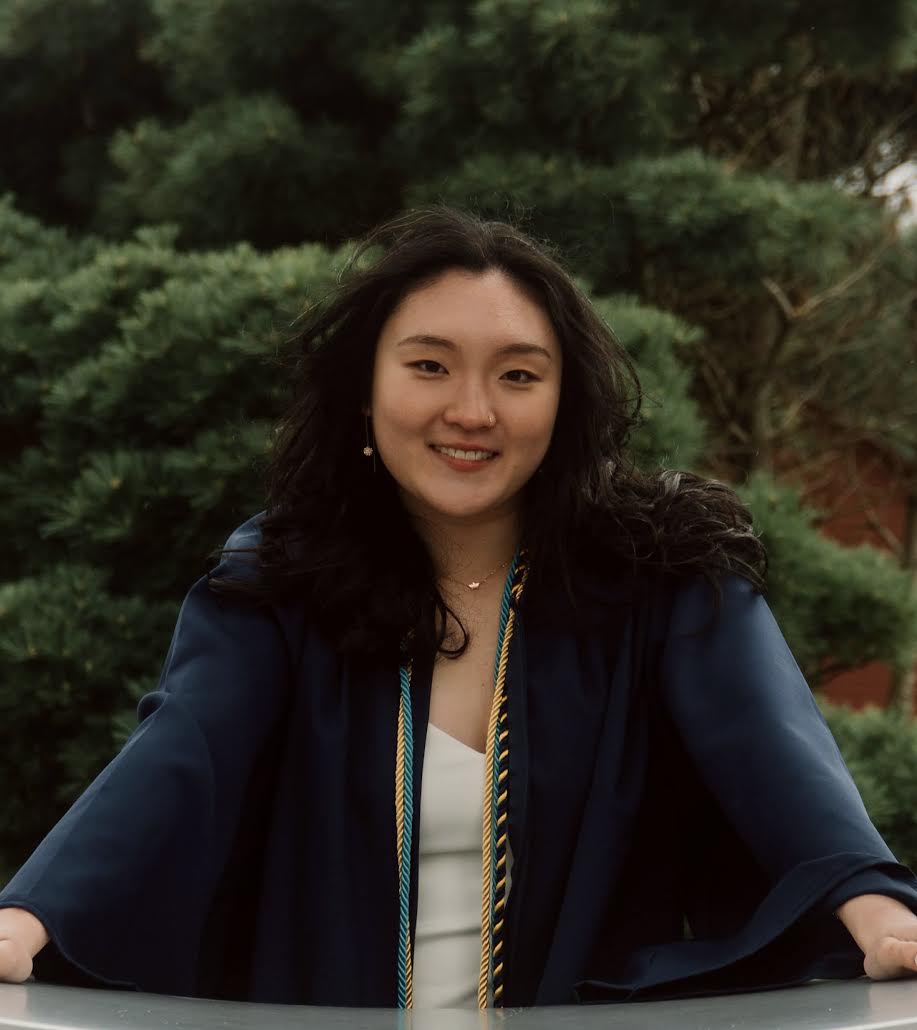
Faculty Assistant Eunice Kim, PSYC
Eunice Kim is a research coordinator in the Lavender Lab led by PSYC Associate Professor Ethan Mereish, where she will be primarily supporting the Lavender Lab's R01 Study funded by the National Institute on Alcohol Abuse and Alcoholism: "Intersectional Minority Stress, Structural Oppression, and Alcohol Use and Misuse among Sexual and Gender Minority Adolescents of Color." She will also be conducting research on the psychological, social, and cultural determinants of health, as well as factors and interventions that promote resilience, resistance, and healing in in lesbian, gay, bisexual, transgender, and queer (LGBTQ+) individuals and Black, Indigenous, and People of Color (BIPOC) adolescents and young adults. Kim earned her B.A. in Psychological Sciences and Asian American Studies from the University of Connecticut in 2025. She worked as a lab manager for the Gray Child and Family Lab and Biobehavioral Adjustment and Neurodevelopment Lab at UConn, studying physiological and neurobiological impacts on children's, parents' , and college students' mental health and behavior.
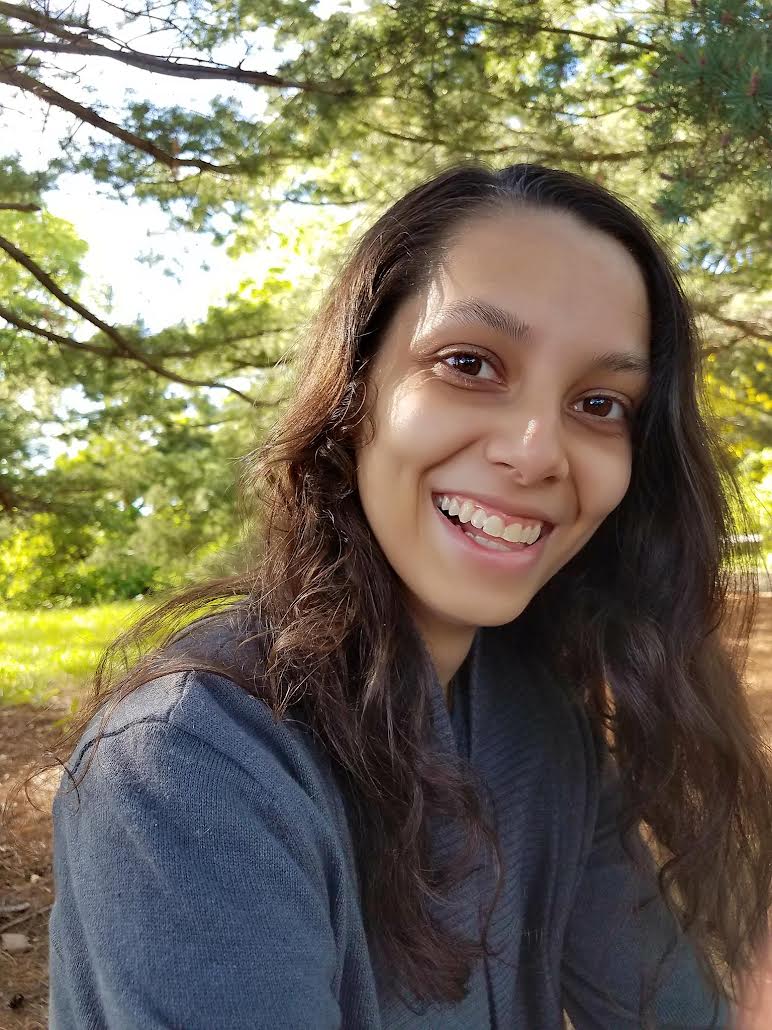
Postdoctoral Associate Jade Dunstan, PSYC
Jade Dunstan is a postdoctoral associate in the Neurocognitive Development lab led by PSYC Professor Tracy Riggins. She completed her Ph.D. in Developmental Psychology at the University of Maryland from 2020 to 2026, also under Professor Riggins. Her research uses structural and functional MRI to investigate the neural mechanisms underlying episodic memory development in early childhood. Her dissertation work focused on how children's mnemonic discrimination, the ability to distinguish stimuli with overlapping features, relates to structure and function of the hippocampus.

Assistant Professor Danghan Xie, GEOG
Danghan Xie is an Assistant Professor in the Department of Geographical Sciences at the University of Maryland. He is a coastal scientist who studies how coastlines change over time and why some coastal areas are more vulnerable to erosion, flooding, and other hazards. His research combines computer modeling, field measurements, lidar, satellite imagery, and other geospatial data to study coastal wetlands, beaches, cliffs, and estuaries. He is particularly interested in understanding how waves, currents, sediment, vegetation, and human activities work together to shape coastal landscapes. This fall, he will be teaching GEOG140: Natural Disasters: Earthquakes, Floods, and Fires.
Published on Mon, Aug 31, 2026 - 12:51PM