



Psychologist Launches App for For Black Youths, by Black Youths
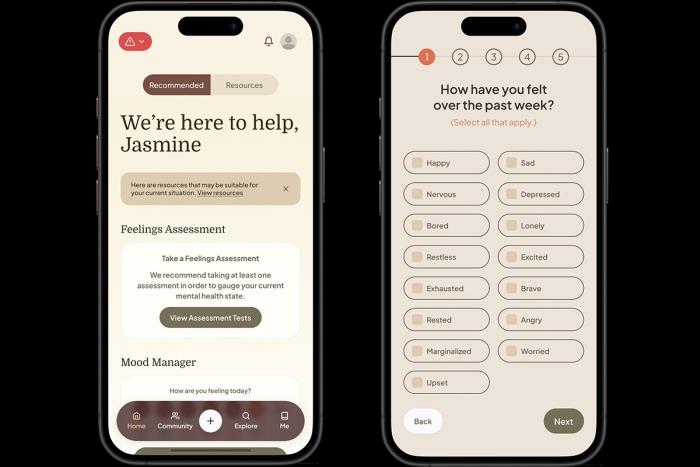
PHNX Mind Provides Resources and Community Tailored to Black Youths’ Unique Experiences
In summer 2024, Department of Psychology Assistant Professor Henry Willis set out to create a free mental health mobile app for Black youths—in collaboration with them. That app, PHNX Mind, is now available for download on the App Store and Google Play.
PHNX Mind is a place where Black youths can input daily reflections on their mood; take assessments that reveal insights about their overall wellness or specific struggles with ADHD, depression, anxiety, social anxiety, OCD, and PTSD; journal about their day; and track their day-to-day progress with the help of an AI assistant, Avery.
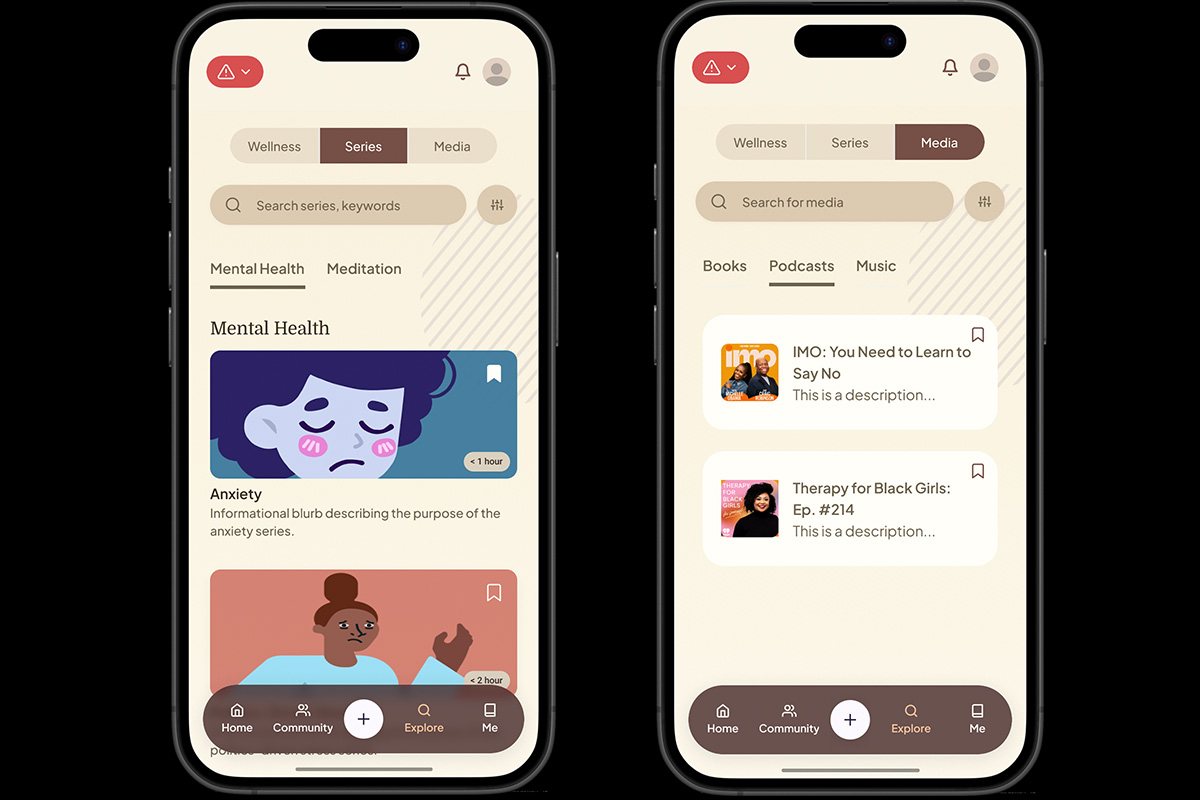
Users can also watch a variety of wellness videos. Some videos in the app are original creations that are a part of its educational series about different mental health conditions and experiences, and others are curated videos that walk users through meditations, breathing techniques, culturally-relevant affirmations, and more.
“I'm excited to get PHNX Mind in the hands of the community, and optimistic that as it grows and we add even more features, it will be a great benefit to Black youths who've been looking for mental health resources made just for them,” Willis said. “When Black youth see themselves reflected in the tools designed to support them, when they know that the language, the experiences, and the features were created by other Black teens and Black psychologists, they are more likely to engage, more likely to trust, and more likely to heal.”
Mental health resources are important for all youths to have access to, and especially Black youths. According to the U.S. Department of Health and Human Services’ Office of Minority Health, in 2023, Black/African American high school students were 8% more likely than students nationwide to report attempting suicide in the past year.
“We also have started to see trends that show that Black youth are experiencing greater levels of racial discrimination, especially on social media, compared to Black adults,” explained Willis. “We know that Black youth are not included in the development and design of psychological interventions, nor are their needs taken into account when developing these products. Because of this, most Black youth rarely engage with traditional or digital mental health services, which contributes to the widening disparities and treatment gaps that we see in mental health service utilization.”
Some of the app’s more tailored features include a place to document and process an encounter with racism, a community channel to start conversations with other users about Black culture, and a list of books, podcasts and songs by Black creators, and/or about the Black experience. Soon, the app will also offer users the ability to find and connect with licensed therapists who look like them, and who’ve had shared life experiences.
Should users need to be immediately connected to care, the app has a direct link to call the 988 Lifeline, and lists out other emergency resources contacts.
“The app is a safe space for Black youth, and I think an app that focuses on them and their mental health is truly needed these days for not only community but also education,” said Adunola Odusanya, an 11th grade student from Prince George’s County who was one of the 30 13-17 year-olds who helped Willis create the app.
With $250,000 in support from the Robert Wood Johnson Foundation, Willis worked with the students—who were compensated for their time—over the course of a year. He and his research lab asked them questions like “What features would you find most helpful in a mental health app made just for Black teens?” and “What would make you feel that your data is safe when using a mental health app?.” He also let them engage in active co-design activities, such as creating visual prototypes of their own mental health apps, and worked a lot of their feedback into the final design and functionality of the app.
“Co-creating the app with Black youth not only increases the likelihood that they find the final product acceptable and engage with it long-term, it also means we have the information to more precisely and effectively target the unique experiences that are exacerbating mental health problems among Black youth,” Willis said. “Black youth deserve mental health resources that were built with them in mind and with their input, not adapted for them as an afterthought.”
Willis recently got back in touch with some of the students who participated in the app project. In asking one of them, Jonathan Kirkland, an 11th grader from Philadelphia, about whether he thought the app would make a difference, Kirkland said: “I think it will be helpful for users because, like myself, it will show others that other people go through the same things as them, showing them they aren't alone.”
If you are in crisis, please call, text or chat with the Suicide and Crisis Lifeline at 988, or contact the Crisis Text Line by texting TALK to 741741.
Published on Thu, Apr 2, 2026 - 10:47AM