


Three BSOS Faculty Members Receive $50K MPower Research Grants
The College of Behavioral and Social Sciences congratulates three faculty members who were recently honored with awards from the MPower Early Scholars Investment Fund. Each of these awards include $50,000 research grants for innovative new projects.
Jennifer Rae Myers, Assistant Professor, Department of Hearing and Speech Sciences
Project: “Building Digital Capacity for Cognitive Health Engagement”
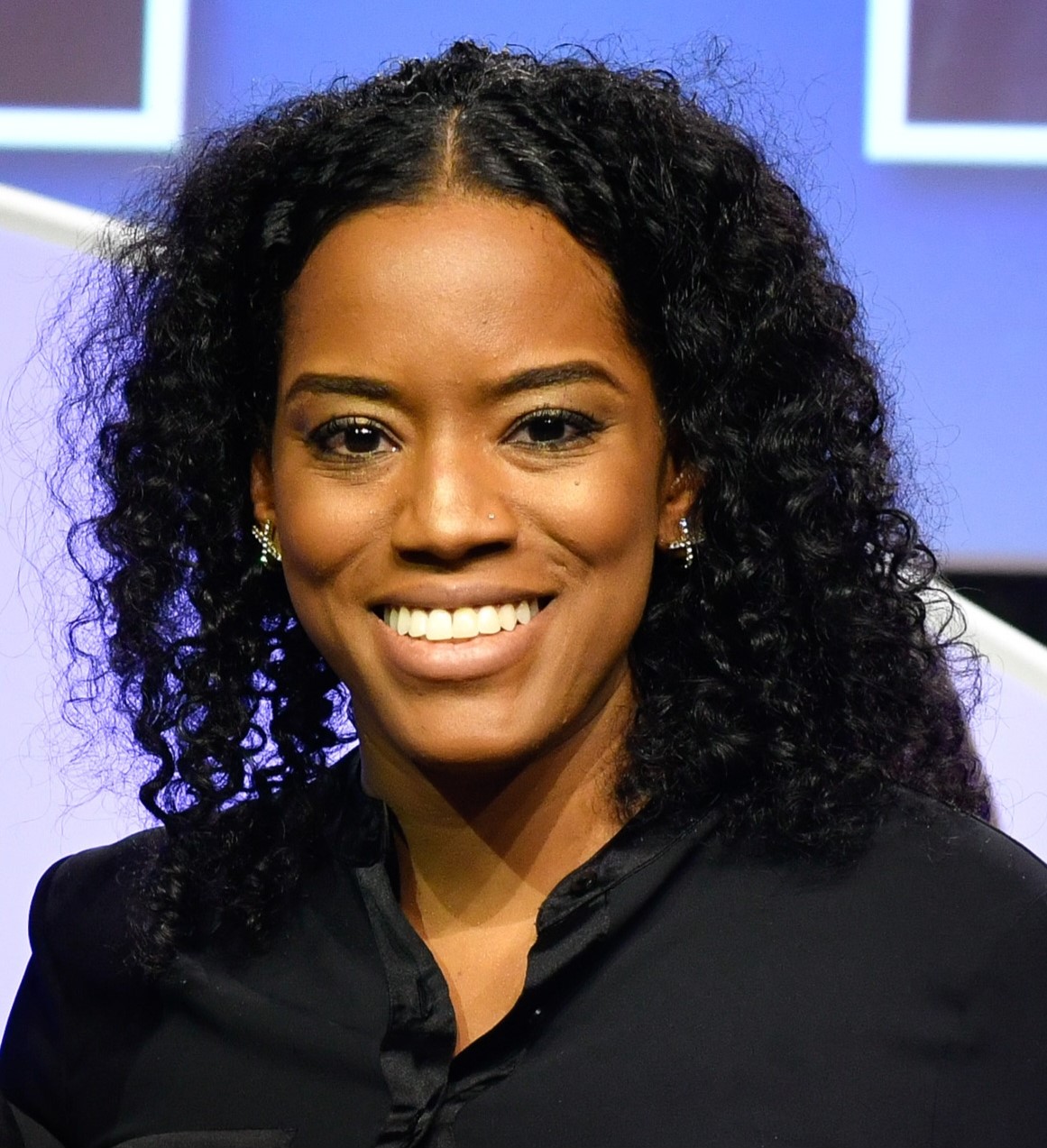
Myers explores how digital health technologies and artificial intelligence can transform cognitive health inequities by making prevention-based interventions more accessible, scalable, and person-centered. She studies digital and cognitive health literacy, psychosocial barriers to care such as trauma and medical mistrust, and participatory research methods that co-design solutions with the communities they are intended to serve.
The purpose of her new project is to develop and pilot an AI-supported digital intervention that supports individuals to engage in brain-healthy behaviors before significant cognitive decline occurs. The finalized digital intervention will include a brief learning module, participant-facing resource materials, an activities library, and pre/post cognitive health knowledge assessments.
The project combines community input, technology, and prevention science to create an accessible, scalable approach to promoting lifelong cognitive health.
“My goal is to demonstrate that digital technologies can make prevention more accessible, engaging, and sustainable, particularly in communities at elevated risk for dementia,” Myers said. “Ultimately, I hope this work lays the foundation for larger clinical studies and expands access to evidence-based strategies that help people maintain cognitive health as they age.”
Myers said this award is an investment in both her research program, and in the future of prevention-focused healthcare.
“It provides the opportunity to generate critical pilot data, mentor student researchers, and accelerate innovative work that has the potential to improve cognitive health on a broader scale,” Myers said.
José Ortiz, Assistant Professor, Department of Hearing and Speech Sciences
Project: “Validating Technology to Reduce Assessment Bias for Bilingual Children”
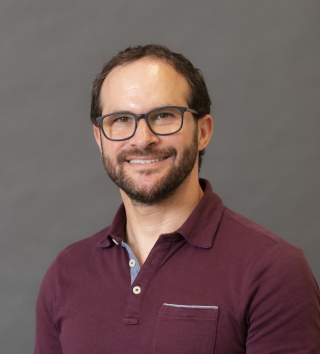
Identification of communication disorders in bilingual children is at the center of Ortiz’s work. He continually seeks to meaningfully improve outcomes for bilingual children, through new assessment approaches and system-level changes with broad impacts. His new project focuses on the development and validation of novel methods of language assessment in bilingual children, in order to improve disability identification.
In the first aim of the project, Ortiz will collect data to refine an AI-based language assessment system, which automates important assessment tasks. In the second aim, he will collaborate with the Language-Learning Early Advantage Program (LEAP) to pilot an automated progress monitoring system for children receiving speech-language intervention services.
“Outcomes from this project will form the foundation for new tools that can substantially change how we approach language assessment. I am taking a bilingual-first approach to assessment design, to allow for applications to a range of language contexts,” Ortiz said. “Ultimately, I hope that this work can support the development of assessment approaches that allow for more equitable access to speech-language and special education services.”
Ortiz said he feels extremely fortunate to have received this award.
“Conducting research with language-minority communities is challenging in the best of times, and I am very thankful for the opportunity to continue this work with the support of MPower funding,” Ortiz said.
Henry Willis, Assistant Professor, Department of Psychology
Project: “Evaluating Avery: A Pilot Trial of a Culturally-Tailored AI Mental Health Chatbot for Black Emerging Adults”
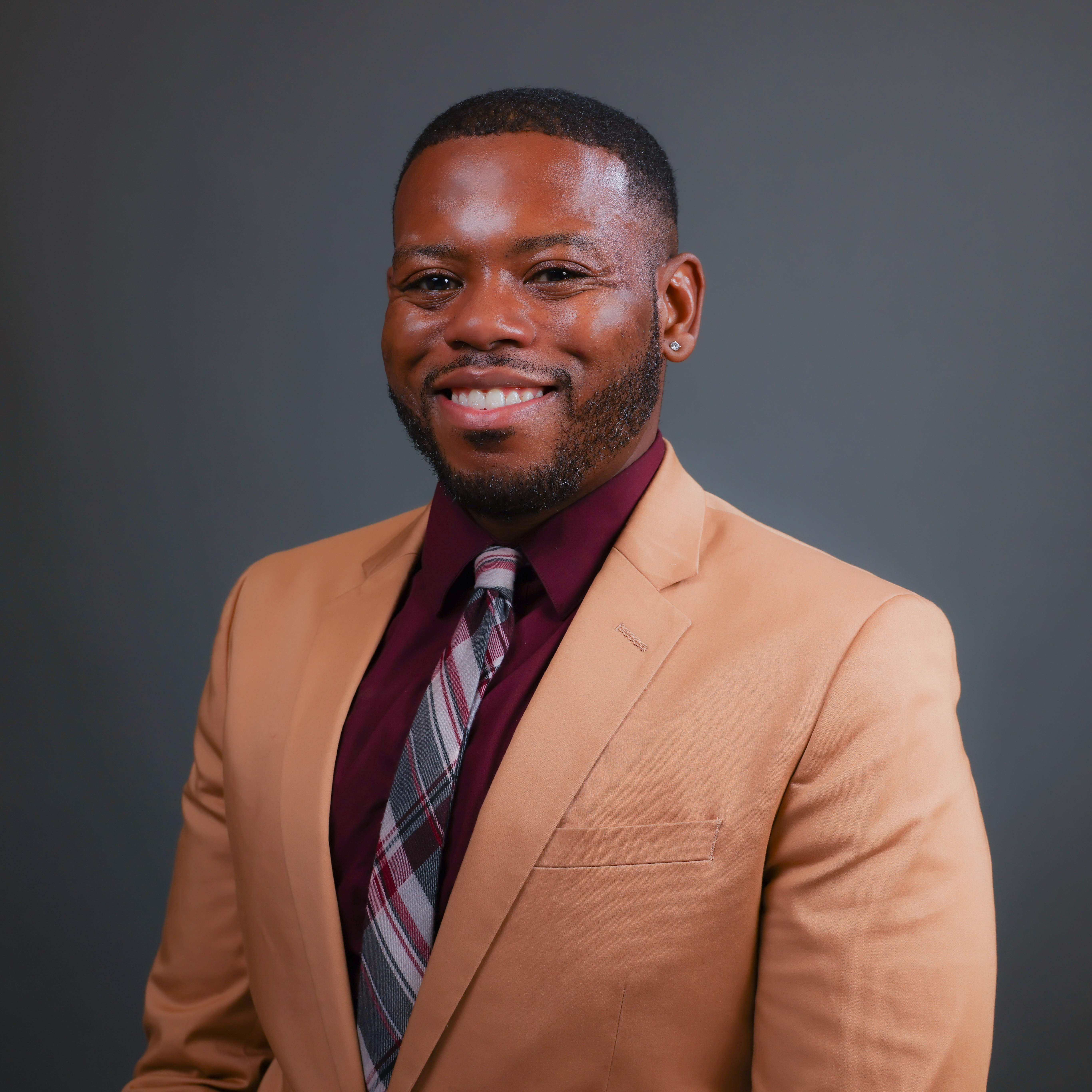
Willis is a licensed clinical psychologist who specializes in the assessment and treatment of mental health conditions among Black youth and young adults. As the director of the Cultural Resilience, Equity, and Technology (CREATE) Lab in the Department of Psychology, Willis also conducts research on how racial discrimination and racial-ethnic identity beliefs impact youth mental health, and how modern technology can harm, and possibly help, Black youths’ well-being.
With the support of the MPower Award, Willis will conduct a randomized pilot trial of Avery, an AI chatbot built on a large language model and grounded in cognitive behavioral therapy principles and racism-related stress frameworks.
Avery is the centerpiece of PHNX Mind, a digital mental health platform built for Black youth and young adults by Willis’ lab. Within PHNX Mind, Avery offers users immediate, culturally relevant coping support and guided cognitive restructuring, all under explicit clinical safety protocols.
“Young adults are already turning to general-purpose AI tools for emotional support, so the real question is not whether they will use AI, but whether a tool designed with their cultural context in mind serves them better,” said Willis. “AI mental health tools are being deployed at enormous scale with very little evidence behind them, and almost none of that evidence speaks to communities that have historically been underserved by mental health care. If this pilot demonstrates that cultural tailoring is measurable and matters, it makes a case that developers and funders can act on.”
Willis’ trial will enroll roughly 80 Black emerging adults between the ages of 18 and 26 and randomize them to use either Avery or a standard, off-the-shelf generative AI tool over eight weeks. During that time, he will collect validated measures of psychological distress, racism-related stress, and racial-ethnic identity at baseline, after the intervention, and at a one-month follow-up, then pair that data with qualitative interviews about cultural relevance, usability, and safety.
“I'm greatly appreciative of this award, for many reasons,” said Willis. “I think it signals an institutional investment in this work at this particular moment, which says that the University of Maryland sees value in research on mental health equity, and I am grateful for that.”
Published on Fri, Aug 14, 2026 - 11:40AM