

UMD College of Behavorial & Social Sciences UMD College of Behavorial & Social Sciences
MENU
  • About Us
  • Faculty & Staff
  • Diversity
  • Undergraduate
    • Welcome
    • Academic Programs
      • Majors & Minors
      • Bachelors/Masters Programs
      • Living & Learning Programs
      • Academic Honors & Awards
    • Feller Center - Advising & Career Planning
    • Prospective & New Students
      • Welcome, Admitted Students!
      • Applying to Maryland
      • New Student Orientation
    • Current Students
      • BSOS Undergraduate Scholarships
      • BSOS Undergraduate Experience Funds
      • Student Leadership
      • Undergraduate Research
    • Resources for Faculty
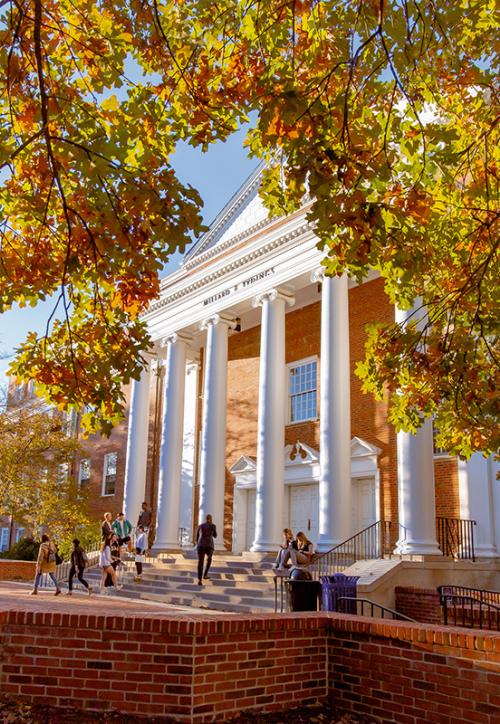
    Tydings Hall
  • Graduate
    • Prospective Graduate Students Welcome
    • Our Degree Programs
    • The Graduate School at the University of Maryland
    • Graduate Student Resources and Points of Contact
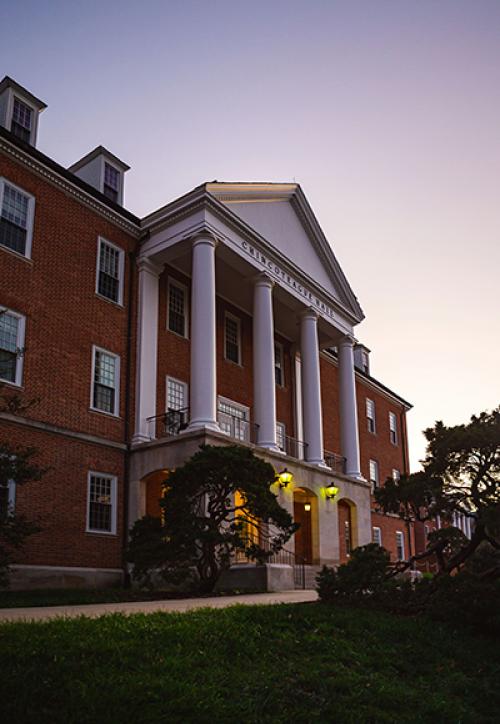
    Chincoteague Hall
  • Departments, Programs & Centers
    • Departments
    • Programs and Centers
  • Research
    • Research Hubs
    • Research Spotlight
    • Research Administration
    • Dean's Research Initiative
    • Guide to Research Data and Computing
    • UMD Division of Research
    • Undergraduate Research
  • Alumni & Giving
Search

Main navigation

  • Undergraduate
    • Welcome
    • Academic Programs
      • Majors & Minors
      • Bachelors/Masters Programs
      • Living & Learning Programs
      • Academic Honors & Awards
    • Feller Center - Advising & Career Planning
    • Prospective & New Students
      • Welcome, Admitted Students!
      • Applying to Maryland
      • New Student Orientation
    • Current Students
      • BSOS Undergraduate Scholarships
      • BSOS Undergraduate Experience Funds
      • Student Leadership
      • Undergraduate Research
    • Resources for Faculty
  • Graduate
    • Prospective Graduate Students Welcome
    • Our Degree Programs
    • The Graduate School at the University of Maryland
    • Graduate Student Resources and Points of Contact
  • Departments, Programs & Centers
    • Departments
    • Programs and Centers
  • Research
    • Research Hubs
    • Research Spotlight
    • Research Administration
    • Dean's Research Initiative
    • Guide to Research Data and Computing
    • UMD Division of Research
    • Undergraduate Research
  • Alumni & Giving
  • About Us
  • Faculty & Staff
  • Diversity

Search our site:

WalletHub Features BSOS Finance Expert

Ann Holmes, retired senior assistant dean for administration and finance for the College of Behavioral and Social Sciences, was recently interviewed by WalletHub in an article about credit cards. Holmes, who has also taught personal finance courses at the University of Maryland, shared her expertise on how college students can responsibly use credit cards and build credit.

Read the Full Article via WalletHub

What attributes would you say the best student credit cards share?
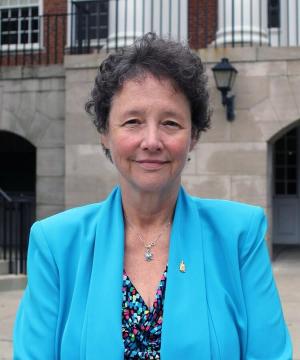
Ann Holmes

The best student credit cards should offer reasonable interest rates, no annual fees, no foreign transaction fees, and no cash advance fees. Because these cards are designed for young adults who are learning to manage credit, I also look for reasonable late-payment penalties and, ideally, some flexibility or forgiveness for a first-time missed payment.

What is the best way for a college student to use a credit card?

Many students assume that simply obtaining a credit card is enough to build credit. In reality, the card must be used responsibly to establish a positive credit history. I recommend using the card for a recurring expense, such as a cell phone bill or streaming subscription, and setting up automatic payments from a checking account to pay the balance in full each month. This approach helps students build credit while demonstrating sound money management habits.

What is the biggest mistake that college students make with credit cards?

One of the most common mistakes is spending beyond one's means, largely because credit cards make purchases so convenient. The temptation to "buy now, pay later" can be difficult to resist. Another major pitfall is making only the minimum monthly payment. This can lead to years of debt and significant interest costs. In my lectures, I often illustrate this by showing students how much interest they would pay—and how long repayment would take—on a new computer if they made only minimum payments.

What is your best piece of advice for a college student who is considering applying for a credit card?

The length of your credit history accounts for approximately 15% of your credit score, making it beneficial to establish credit as early as possible. I encourage students to begin building credit while still in school so that, by graduation, they have a stronger credit profile when applying for a car loan, leasing an apartment, or pursuing other financial goals. Equally important is developing the habit of paying the balance in full each month to avoid unnecessary debt.

Should credit cards be easier or harder for college students to get (or is it just right)?

I believe the consumer protections implemented over the past two decades have significantly improved the credit application process. As a result, I would say the current balance is about right, providing students with access to credit while maintaining appropriate safeguards.


Published on Thu, Jun 11, 2026 - 9:53AM

College of Behavorial & Social Sciences
  • Facebook
  • Twitter
  • Instagram
  • YouTube
  • LinkedIn
  • Zenfolio
Contact Us

Millard and Joseph Tydings Hall, 7343 Preinkert Dr.,
University of Maryland, College Park, MD 20742

Undergraduate Education:
301-405-1697

Office of the Dean:
301-405-1690

Contact Us

Links
  • UMD Land Acknowledgement
  • Undergraduate Student Blog
  • UMD Staff Directory
  • Give to BSOS
  • Forward Campaign
  • UMD Web Accessibility
  • Alumni
© 2026 College of Behavioral & Social Sciences. All Rights Reserved.
Login