

Alumna’s Education Fuels Her Career, and Autism Advocacy
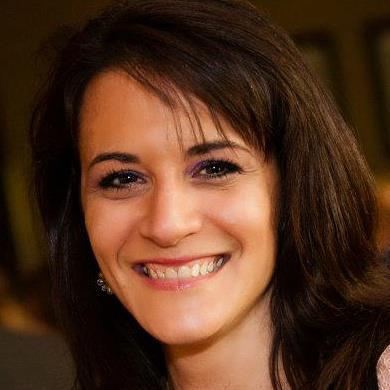
Lisa Wiederlight’s Expertise in Government and Public Policy Has Served Her Well in Both Professional and Personal Pursuits, Including Creating a Nonprofit Called ‘My Heart's Home’
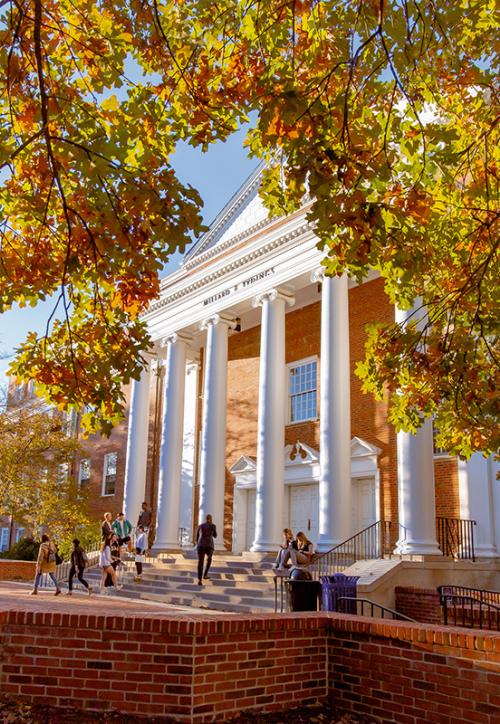
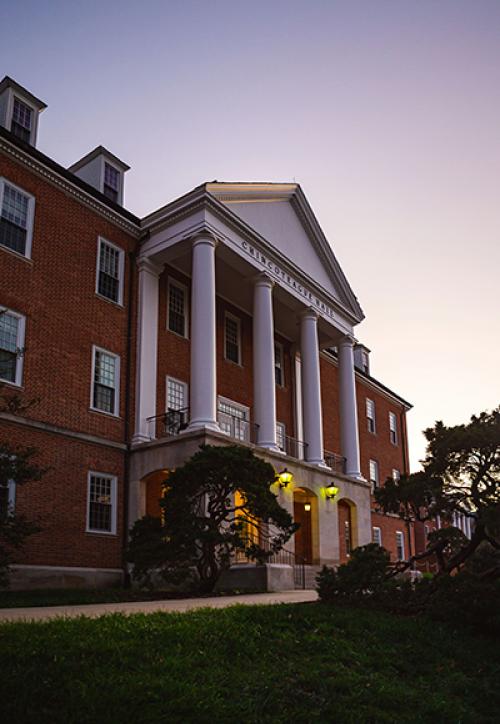
Connecticut native Lisa Wiederlight knew what she wanted to get out of her baccalaureate education: She wanted to study government and politics in close proximity to Washington, D.C., and she wanted to play field hockey.
She did both at the University of Maryland, helping the Terps bring home the field hockey team’s first-ever NCAA Division I National Championship in 1987, and graduating in 1990 with her B.A. in government and politics—early, and magna cum laude, no less.
What Wiederlight didn’t initially realize, however, was all the ways in which her time at UMD would have a lasting impact on her life, professionally and personally.
Using Her Skills for Public Service
Professionally, Wiederlight says that the Department of Government and Politics (GVPT) gave her “a really strong foundational understanding of our democracy, of what our system of government is built upon, and how to understand it.” That foundation served her well during her undergraduate internship with then-U.S. Senator Christopher Dodd (D-Conn.), with whom she worked closely on issues like housing affordability and availability, and in the Senate Subcommittee on Children, Family, Drugs, and Alcoholism.
Her GVPT background continued to serve her well after she graduated and went on to pursue her Master of Public Policy degree from UMD, during which time she participated in a fellowship; worked part-time at the then-UMD Institute of Philosophy and Public Policy; was named as a finalist in the competitive U.S. Presidential Management Internship program; and was a teaching assistant for an honors seminar on congressional elections led by Dr. Paul Herrnson, who was a part of the GVPT faculty from 1989-2013.
Between the first and second year of her MPP program, Wiederlight also interned at the Maryland State Police Bureau of Drug Enforcement. At the conclusion of her internship, she was offered a full-time position as a policy analyst upon completion of her graduate degree the next year, and she accepted.
From there, Wiederlight followed her mentor from the Maryland State Police Bureau of Drug Enforcement to the Washington/Baltimore High Intensity Drug Trafficking Area Program (W/B HIDTA) in 1994.
“I initially worked there as a special assistant to the director, which involved a lot of policy development and evaluation work, which I learned in graduate school, and a lot of writing work, which I learned in government and politics … it was a role in which everything was coming into its own, which was amazing,” recalled Wiederlight.
Wiederlight left the W/B HIDTA after a couple of years to work as a public affairs specialist for the White House Office of National Drug Control Policy (ONDCP) under the Clinton Administration, for then-ONDCP Director General Barry McCaffrey (Ret.).
“Because I had the two degrees from Maryland, I got to serve as a public affairs specialist, and give some good feedback on ‘The 1997 National Drug Control Strategy’ that I hope was helpful. That opportunity was really neat,” said Wiederlight.
Using Her Skills to Serve the Underserved
Wiederlight eventually returned to her roots at the W/B HIDTA, and currently serves as a program director of a performance management initiative. However, in 2015—12 years after Wiederlight’s son, Joshua, was diagnosed with autism—she began to use all the skills she had learned from UMD and acquired over the course of her career, for another purpose: to make the world a better, safer place for her son, and so many others.
While being a working, single mother, Wiederlight worked as the executive director of a national autism nonprofit for five years. In this capacity, she used knowledge from her years working on Capitol Hill and lessons learned from Gen. McCaffrey at ONDCP to help pass the federal “Kevin and Avonte’s Law Act” in 2018. The Act dedicates federal funding and other resources to educate community organizations, including law enforcement, to prevent and address wandering in children with developmental disabilities and adults with dementia. U.S. Sen. Chuck Grassley (R-Iowa) commended Wiederlight on the U.S. Senate Floor for her advocacy efforts later that year.
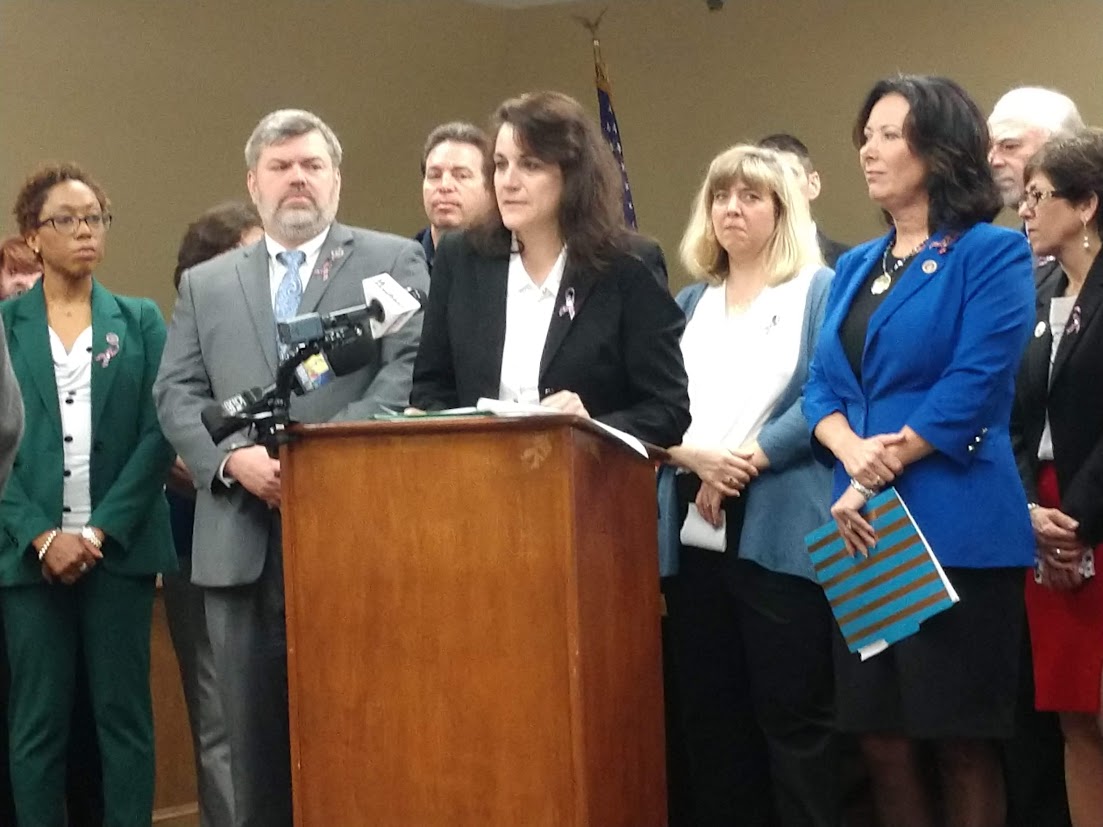
She also helped enact change in Maryland too, having advocated for the creation of a State Autism Coordinator—the country’s first—an annual State Autism Strategy, and an Advisory Stakeholder Group on Autism-Related Needs. On the latter, she is both a member and the chair of the Housing and Community Integration Subcommittee.
Most recently, Wiederlight revisited some of the issues she sought to tackle as an undergraduate working with Sen. Dodd in founding a 501(c)3 nonprofit organization whose mission will provide accessible, affordable, and appropriate housing and community integration solutions for those at higher risk for homelessness, which includes individuals with autism and other developmental delays, and veterans.
“The numbers I see are 10%-21% of people who are homeless are thought to be on the autism spectrum, and those are adults,” said Wiederlight. “My son is 25, and the data show that one in every 88 individuals who were born the same year as him had an autism diagnosis. My concern is, what happens when they all get older? What happens as the next age cohorts keep getting larger and larger, given that autism prevalence continues to increase, and we can’t even house the autism population now?”
“I know many epidemiologists, and all of them agree that the increase in prevalence is real, and not only because of better diagnosis,” Wiederlight continued. “My heart also breaks to see the data showing that on any given night, there are approximately 35,000 unhoused veterans. That is truly unconscionable.”
Named My Heart’s Home, Wiederlight’s nonprofit seeks to create inclusive housing communities where individuals can receive on-site healthcare and therapeutic services; have access to free and/or discounted transportation, recreational, and planned social activities; enjoy volunteer and work opportunities with job coaches and individualized accommodations developed by paraprofessionals and caseworkers; and find friendship and companionship among one another. She has even proposed providing rent subsidies for direct support professionals who live in the communities in which they work, to address the nationwide direct support professional shortage, which is currently limiting the independence of individuals with disabilities.
“When many individuals with developmental disabilities leave school at age 18 or 21, depending on if they’ve earned a diploma or a certificate, they graduate, as we say, ‘from the classroom to the couch.’ This is unacceptable and unnecessary,” she said. “Right now, many individuals with autism or other developmental disabilities either live with their family members, live in group homes, or live independently with some support that comes in when necessary. And, there aren’t community activities that really meet their needs.”
For example, Joshua, who likes to bowl, has had to sign up the very same day that Special Olympics Bowling registration opens, or else he would have to wait to try again next year.
“Our communities will provide neighborhoods where people can come and go as they please with appropriate supports and amenities; where neurotypical people will live alongside neurodiverse people; and, importantly, where residents will be able to thrive because we are providing them with services and supports that are closer and more available than they are within the most other communities,” Wiederlight said about My Heart’s Home. “Yes, this is a big idea, and why not? We’re solving a big problem—piece by piece.”
Wiederlight’s motivation is highly personal, yet relatable.
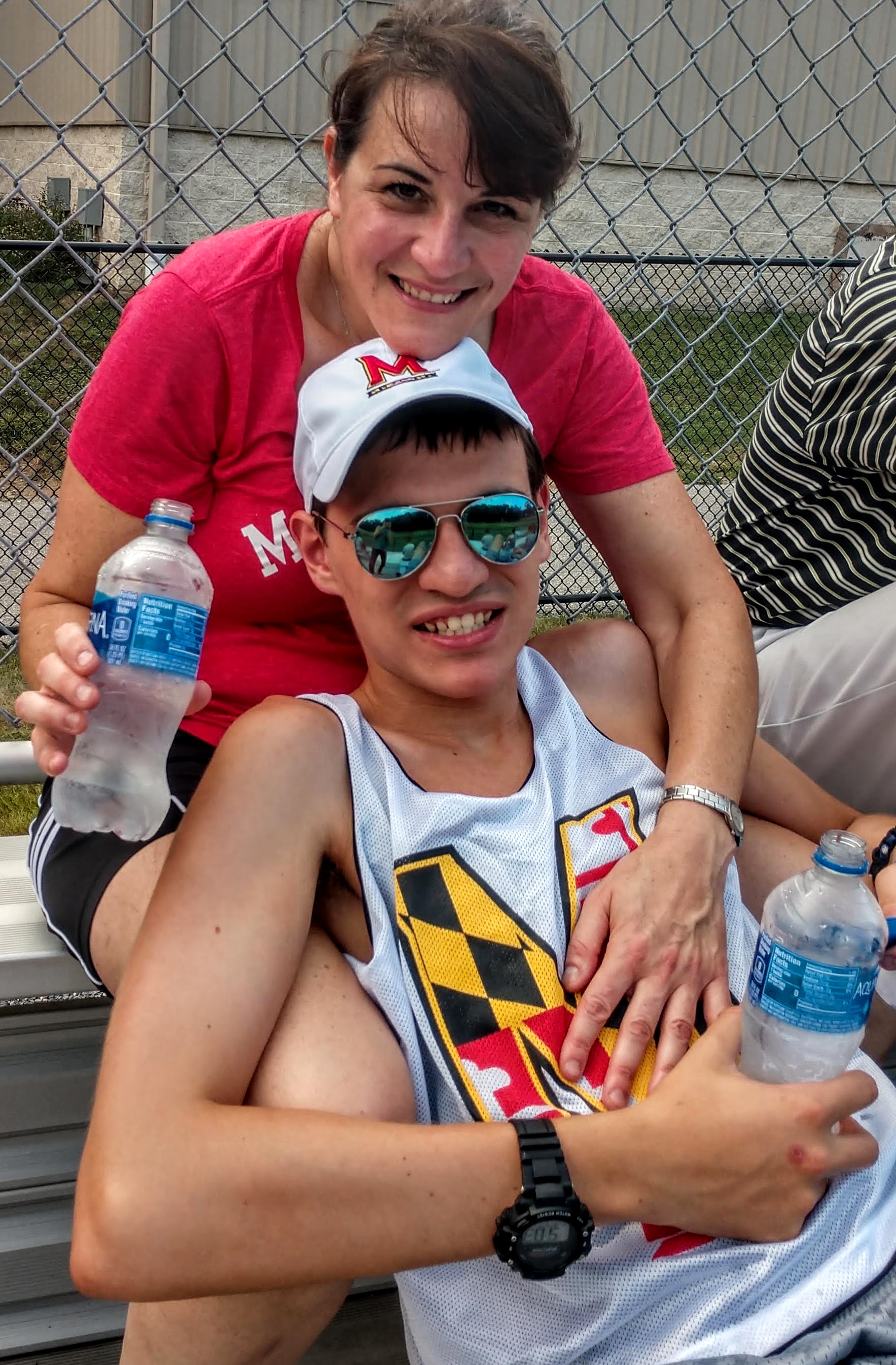
“Every parent has that fear: What happens to my kid when I am no longer here? But when you have a child on the autism spectrum, that fear is magnified,” she said. “My son is very capable. He gets himself dressed, he knows what he wants, but he has skills challenges. He also has commonly co-occurring medical conditions with his autism, like gastrointestinal disease and epilepsy. I’ve traveled all parts of the state to get my son his medicine if some part of the state didn’t have it. Who is going to do that for my son when I am not here anymore?”
“I hope that My Heart’s Home gives parents like me some hope that we can create something that will lessen the load of that fear a little bit,” she continued.
My Heart’s Home is currently fundraising to make its community, which the board of directors intends to be a model that other states can replicate, a reality.
Wiederlight is also always on the lookout for new people to add to the nonprofit’s board of directors—which includes fellow BSOS alum David Vigilante, GVPT ’89— and its advisory board, recognizing that everyone has something unique to bring to the table, and knowing the power of teamwork and collaboration.
“When I played field hockey at Maryland, I just walked onto the field hockey team and I didn't know I was playing on a national championship team, I was just doing the best with what I had. And that’s what I have done as a single autism parent, and what I continue to do. I do the best I can with what I have,” said Wiederlight. “But, I can’t do this alone. My Heart’s Home is going to happen because of teamwork, because of the necessity of it, and because once people know ‘why’ it’s needed they can’t unknow it. So the question is: How do we work together to make it happen, all of us?”
To learn more about ways to get involved with My Heart’s Home, email Lisa Wiederlight at lisa@myheartshome.org. Photos provided by Lisa Wiederlight.
Published on Mon, Jan 5, 2026 - 1:46PM